Student Projects
Eat The Elephant students don't write papers about hypothetical problems. They find a real one, research it, raise money for it, and ship something. These are their projects — each with its own page, in their own words.
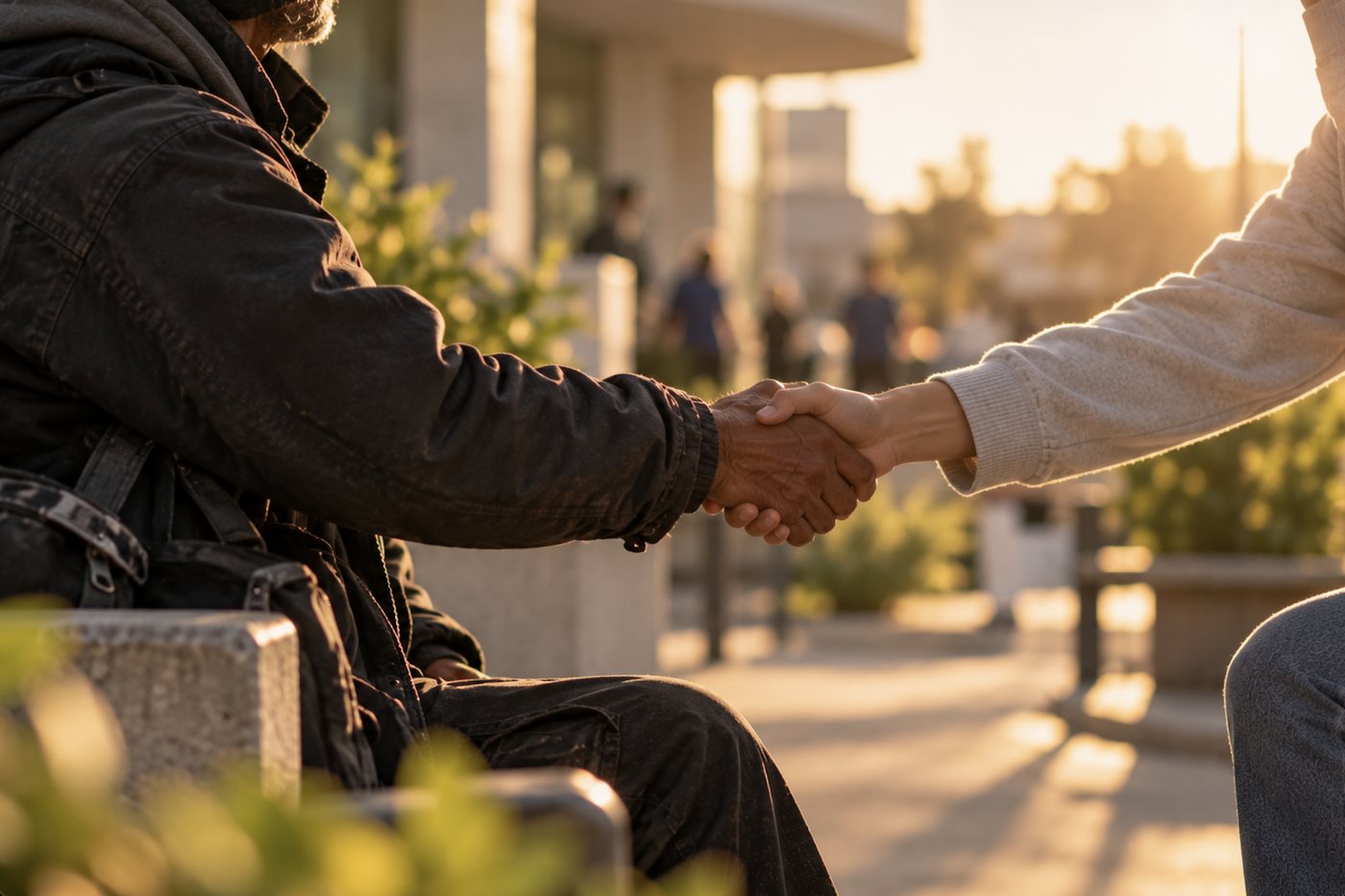
By Camellia Parvin — biochemistry graduate of San Diego State University and a surgical-trauma volunteer at UCSD Health. After watching unhoused patients get discharged with little more than a ride and an extra pair of clothes, Camellia built Pack on Track: hygiene kits, assembled by students and volunteers, placed in patients' hands at the exact moment of discharge.
Read Camellia's story →Our first L.E.A.D. cohort spent a semester researching community needs in Lubao, Pampanga, Philippines — their work feeds Cal Poly Pomona's redevelopment capstone. Each project below is designed, costed, and being funded by the fellow who built it.
Vivi Ni & Lucus Morgan — a randomized study of micro-grants (₱5,000–₱15,000) plus a financial-literacy workshop, measured by a Business Asset Accumulation Index.
View project →Bella Luo — helping bamboo artisans earn more by producing modern bamboo jewelry and selling directly to global customers online.
View project →Tyler Yeung — a real load audit of SPP Elementary and a modeled 10 kWp solar system for a school that can't afford to run its fans, let alone AC.
View project →Oliver Le — a screening cart with digital records, testing whether bringing checkups to residents raises hypertension risk literacy.
View project →Melody Zheng — a fully engineered rain garden designed to strip nitrate-nitrogen from stormwater in flood-prone Lubao, with complete lab protocols.
View project →Naytra Kaushik — PHQ-9/GAD-7 screening, a CBT-based guide, and all eight weekly intervention videos scripted for women ages 18–25.
View project →Yashasvi Munnaluri — real diagnostic tools for grades 5–6 classrooms without science labs, with a complete curriculum, tests, and consent process.
View project →L.E.A.D. Fellows choose a real problem, research it for a semester, raise real funding, and present to real decision-makers. Applications close November 1 — no essays required.
Apply to L.E.A.D. →