Community Development · Lubao, Pampanga, Philippines
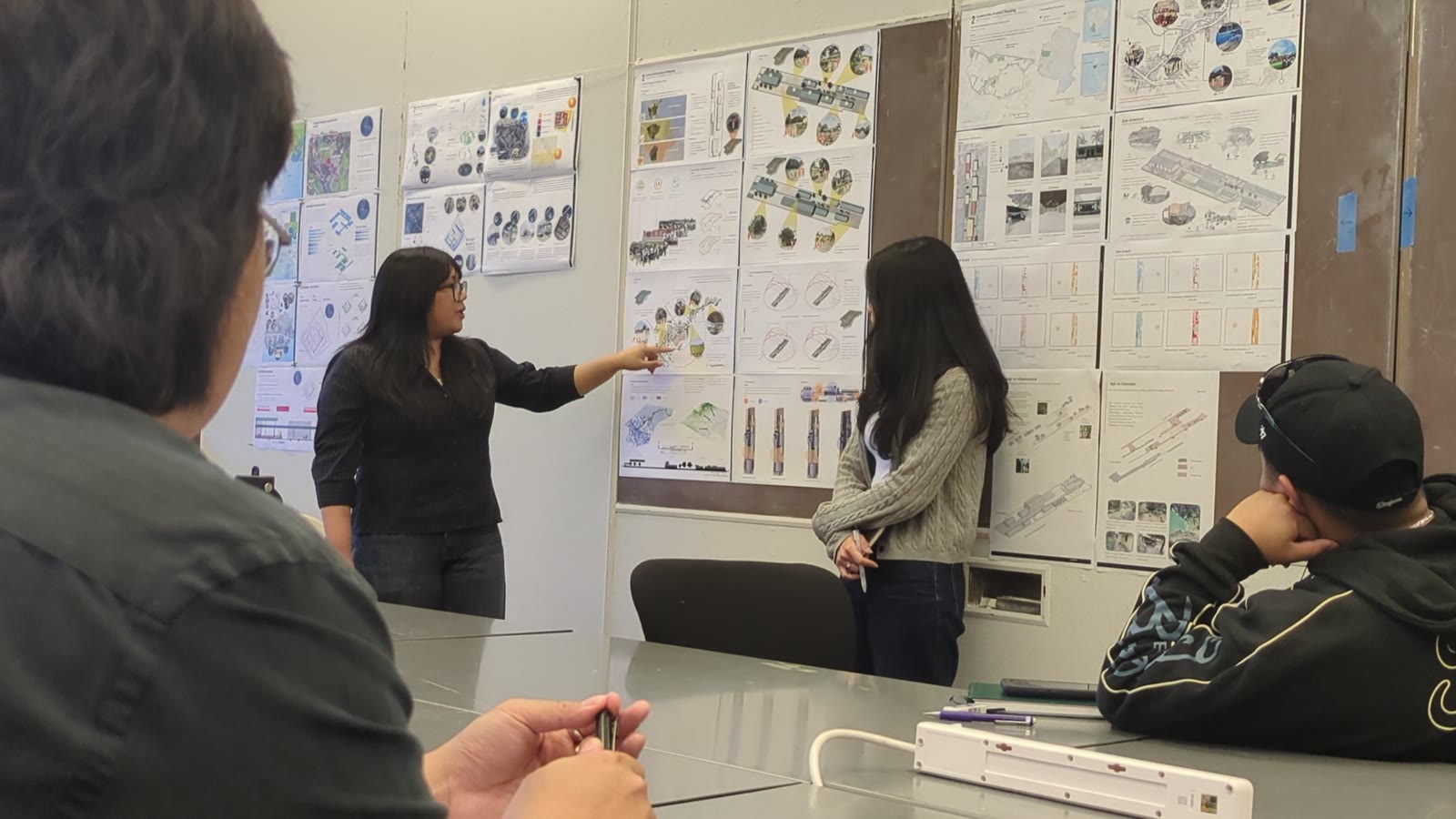
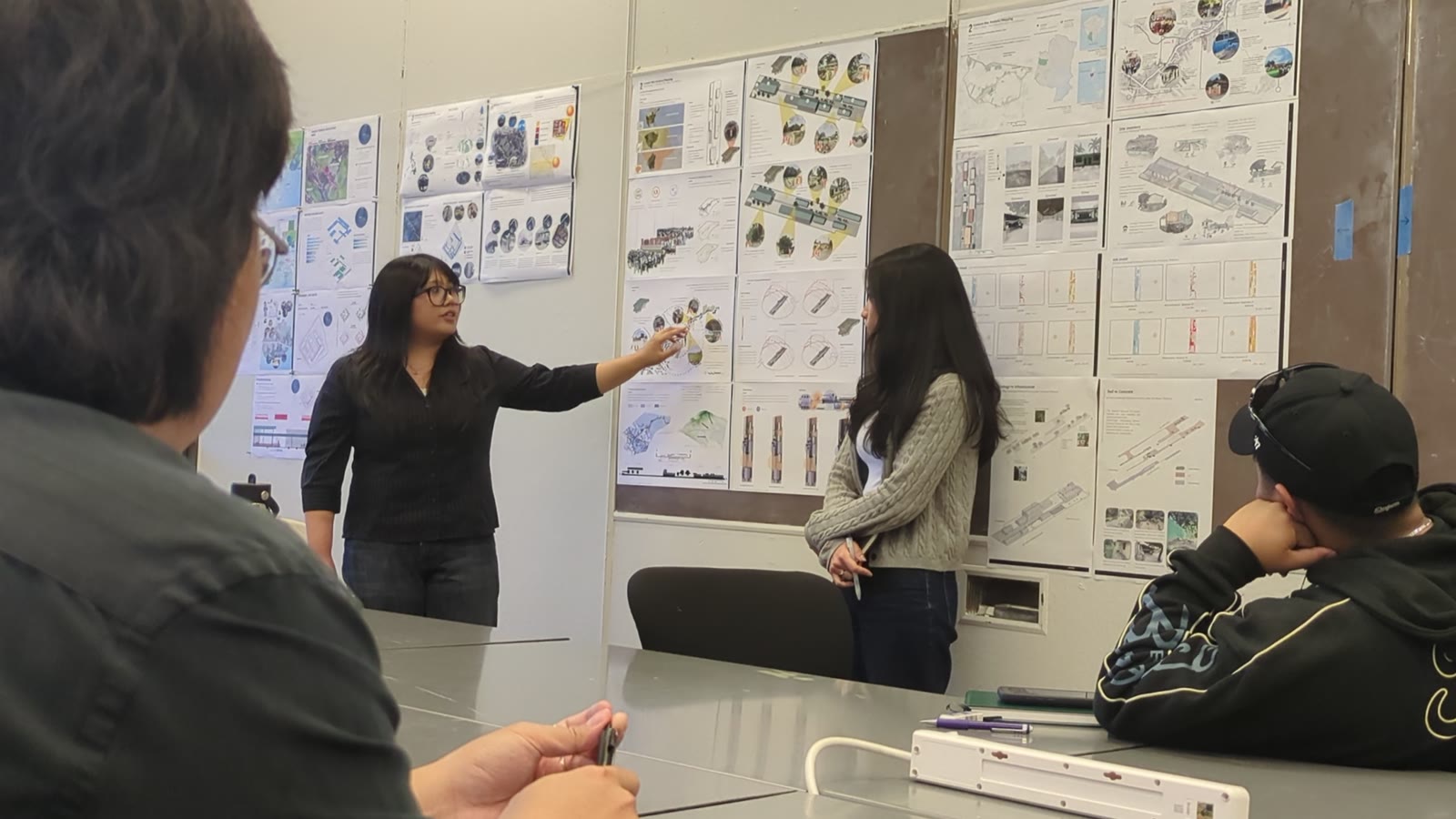
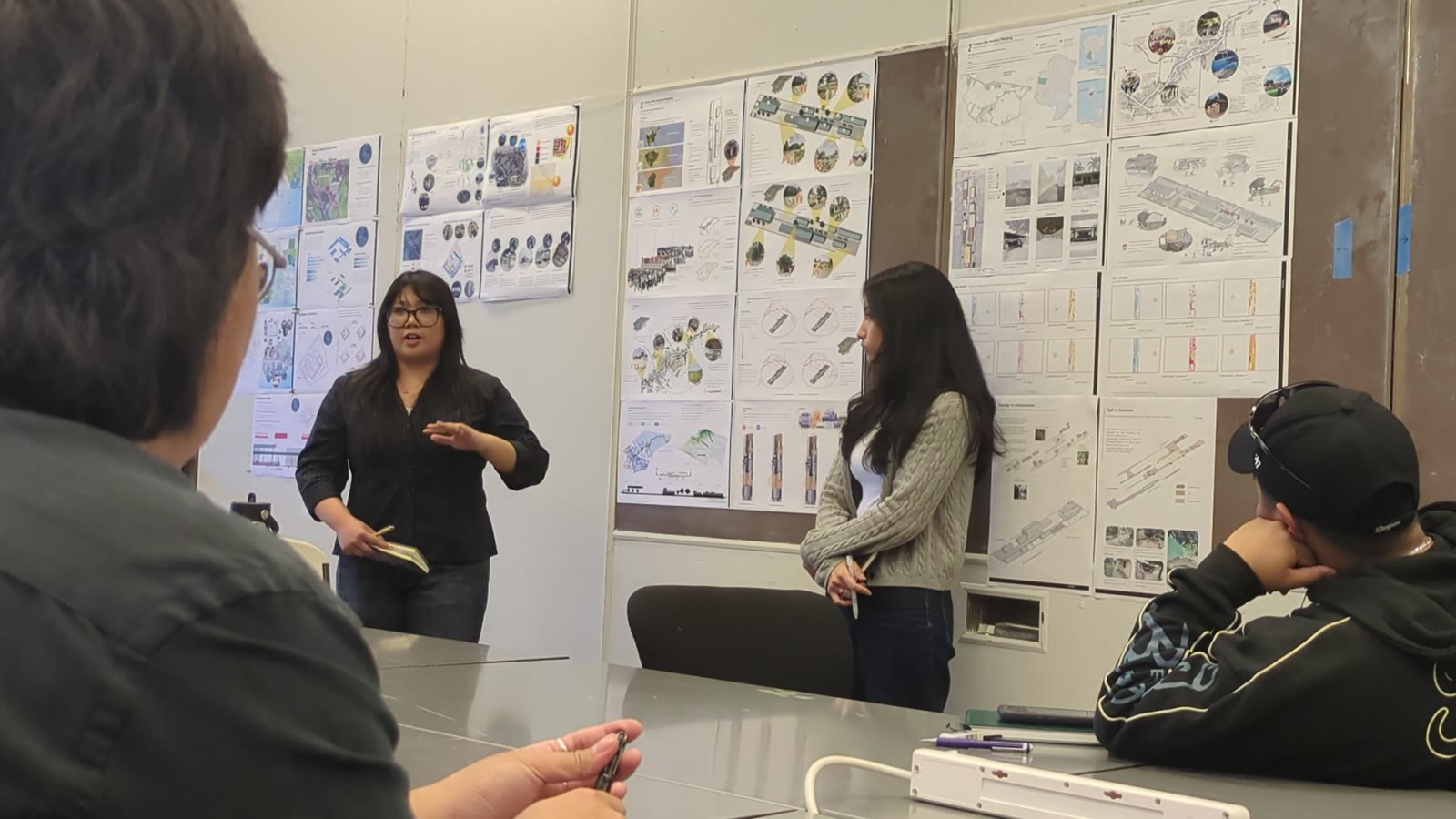
In February 2026, eighteen Cal Poly Pomona landscape-architecture students traveled to Lubao, Pampanga, Philippines, through Eat The Elephant — and, working with the Barangay Council of Sto. Tomas and the Lubao School District, produced redevelopment designs for four real community sites. Their work grew out of a semester of research by our L.E.A.D. Fellows, whose projects address the same community, and it was presented at a final review at Cal Poly Pomona on May 8, 2026.
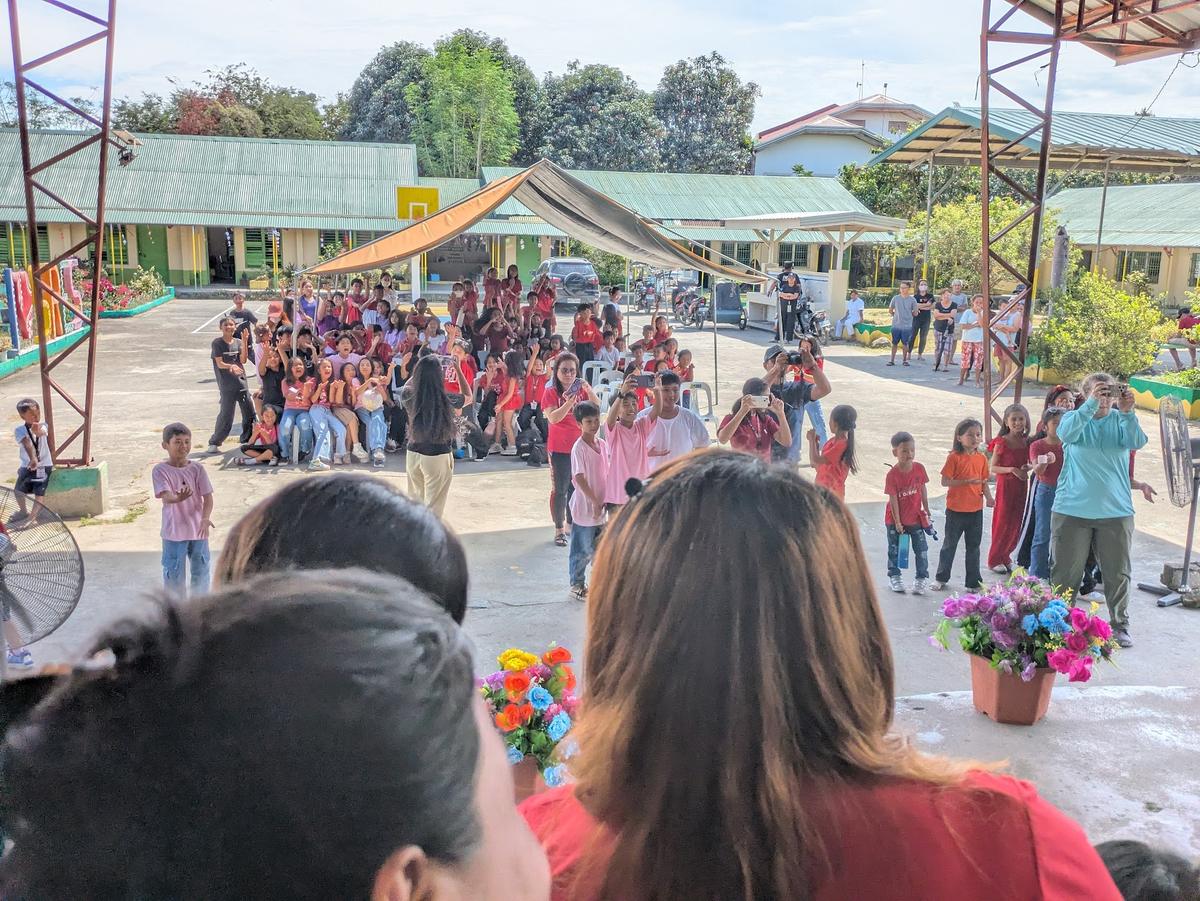
| Studio | LA 4621L, Cal Poly Pomona College of Environmental Design (Landscape Architecture) — instructor of record, Prof. Ray Senes |
|---|---|
| Study trip | February 6–17, 2026 · 18 CPP landscape-architecture students |
| The four sites | San Pedro Palcarangan Elementary School · Santa Rita Elementary School · Santo Tomas Community Plaza · Santo Tomas Community Park |
| Community partners | Barangay Council of Sto. Tomas · the City Council of Santa Rita · Lubao School District |
| Final review | May 8, 2026, Cal Poly Pomona — attended by Dean Mary Anne Akers, Dean of the College of Environmental Design |
| Context | Barangay Santo Tomas, the project’s home community, is home to about 7,500 people (2025), roughly 60 miles northwest of Manila |
Alongside the design work, Eat The Elephant funds week-to-week community work in Lubao, led by our partners in Santo Tomas — including a feeding that served 186 students on November 2, 2026. These pages cover that work and the issues behind it.
Feedings, flood-season help, and street outreach, led by Barangay Santo Tomas partners — plus what $10, $20, and $100 do locally.
Read more →Why a delta town floods every rainy season, and what the August–September 2026 floods did: 34 of 44 barangays under water.
Read more →Hot meals at ₱25, family food packs at ₱797.80, and the school garden that helps feed Santa Rita Elementary.
Read more →No hospital in town, medicine at ₱758 a month, and the screening projects designed for the community.
Read more →About 300 students and one laptop at San Pedro Palcarangan Elementary; a champion garden and a broken cafeteria at Santa Rita.
Read more →Wages, prices, and the cost of living in Pampanga — minimum wage ₱600 a day — with sources.
Read more →Nine two-student teams, one design book each. Open a team’s page for its members, its design highlights, its full final book and poster, site photos, and trip video.
Mei Cervantes & Jamie Detera — a design that began by listening to the students: overheated, underused spaces reimagined for shade, play, and exploration.
Meet the team →Raul Garcia & Randy Reyes — a conceptual urban site design grounded in the school’s connections, infrastructure, and the barangay’s demographics.
Meet the team →Melissa Montoya & Filippo Alioto — the school’s site systems reimagined as visible, regenerative infrastructure, with edible gardens and a maintenance shed.
Meet the team →Jazmine Gomez Mercado & Isaac Andrade — the school grounds designed as a teaching landscape, on a floodplain site in the Pampanga River basin.
Meet the team →Aseel Masoud & Andrew Camacho — a plaza shaped like a river system, where flowing paths guide how people gather and move.
Meet the team →Eric Rodriguez & Juan Carlos Figueroa Lopez — an open, permeable plaza for all ages and abilities, rooted in Pampanga’s culture of community and resilience.
Meet the team →Neeco Fabro & Stephanie Morales Rangel — weather mitigation for the barangay’s gathering ground: bioswales, permeable paving, shade planting, and basketball seating.
Meet the team →Jacob Badillo & Sara Diaz — “A Flood Responsive Filipino Community Hub” for the park site in Barangay Santo Tomas.
Meet the team →Leslie Martinez Manzo & Belal Michael Amir — a park design drawn from the barangay’s ancestral knowledge of land and sky.
Meet the team →The CPP studio builds on a semester of community research by Eat The Elephant’s L.E.A.D. Fellows — high-school and college students who designed, costed, and are fundraising their own Lubao projects. Two Meridian Prep students, Tyler Yeung and Lucus Morgan, also traveled with the February 2026 trip.
Vivi Ni & Lucus Morgan — a randomized study of micro-grants plus a financial-literacy workshop.
View project →Bella Luo — “Bamboo to Gold”: direct-to-consumer bamboo jewelry for Lubao artisans.
View project →Tyler Yeung — a load audit and modeled 10 kWp solar system for San Pedro Palcarangan Elementary.
View project →Oliver Le — screening and hypertension risk literacy, brought to residents.
View project →Melody Zheng — an engineered rain garden for flood-prone Lubao.
View project →Naytra Kaushik — screening and a CBT-based program for young women ages 18–25.
View project →Yashasvi Munnaluri — real diagnostic tools for grades 5–6 classrooms without science labs.
View project →The Lubao Project is produced in partnership with the City Council of Santa Rita, the Barangay Council of Sto. Tomas, and the Lubao School District. With thanks to:
College of Environmental Design — Dean Mary Anne Akers, who attended the May 8, 2026 final review. Prof. Ray Senes, instructor of record for LA 4621L, and Prof. Jocelyn Pacleb. Robb Berg, President of Design Workshop, joined the trip in a design-workshop role.
The Barangay Council of Sto. Tomas, including Robert Ryan “R.R.” Dimla, Director of Health Services. Principal Perla G. Banting of Sta. Rita Elementary School and Catherine Angeles, school administration, San Pedro Palcarangan Elementary School. Carmelita Roque, the program’s liaison and host in Sta. Rita.
Pavel Petrov, landscape architect and real estate development consultant. Vital Link, for local partnerships.
Meridian Prep — fundraising and project coordination. Eat The Elephant program coordinators Kenneth Woodall, Ryan Vatan, and Alison Wunderland, the program’s community liaison in the Philippines, and on-site host Marlyn Woodall.
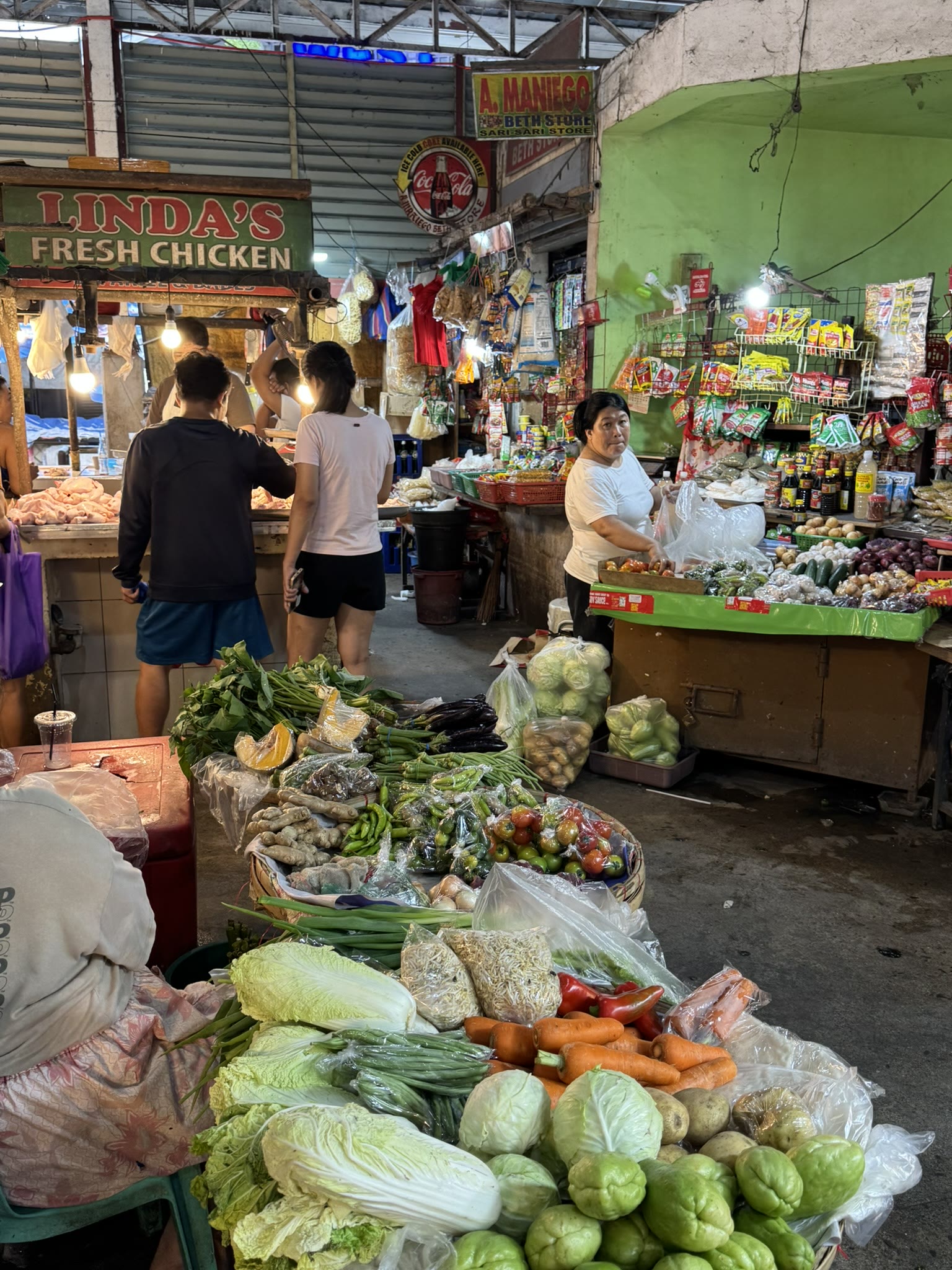
From the February 2026 studio trip and the project’s site documentation — the four design sites, the Santo Tomas community, and the Lubao region.
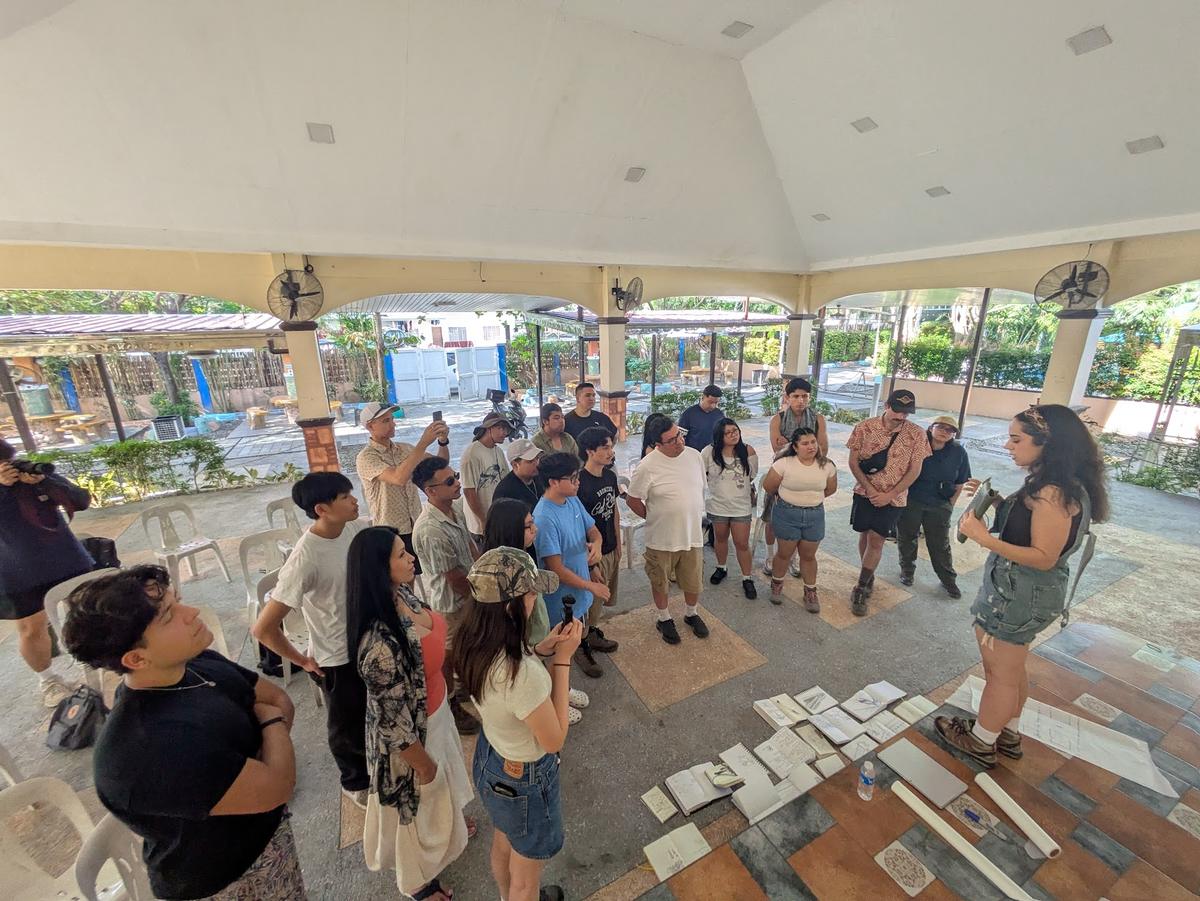
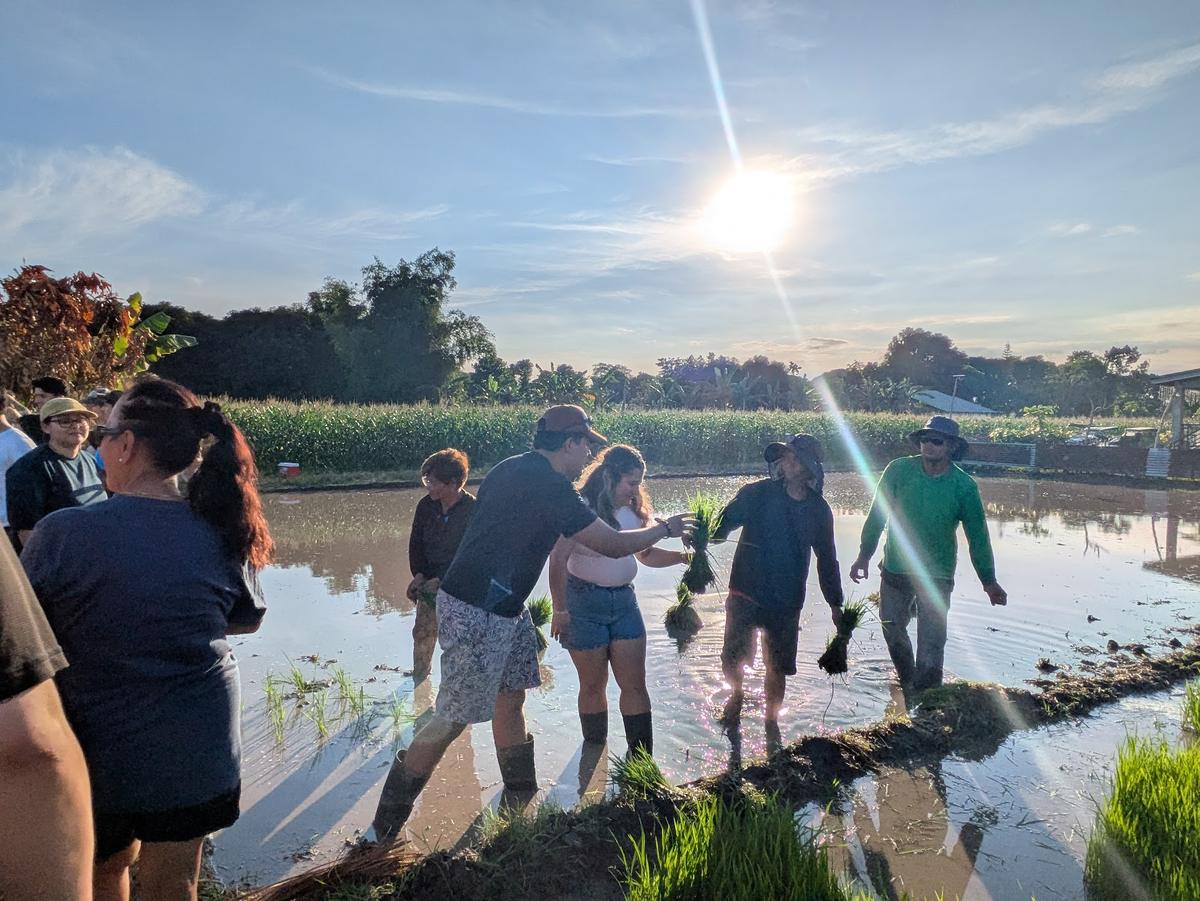
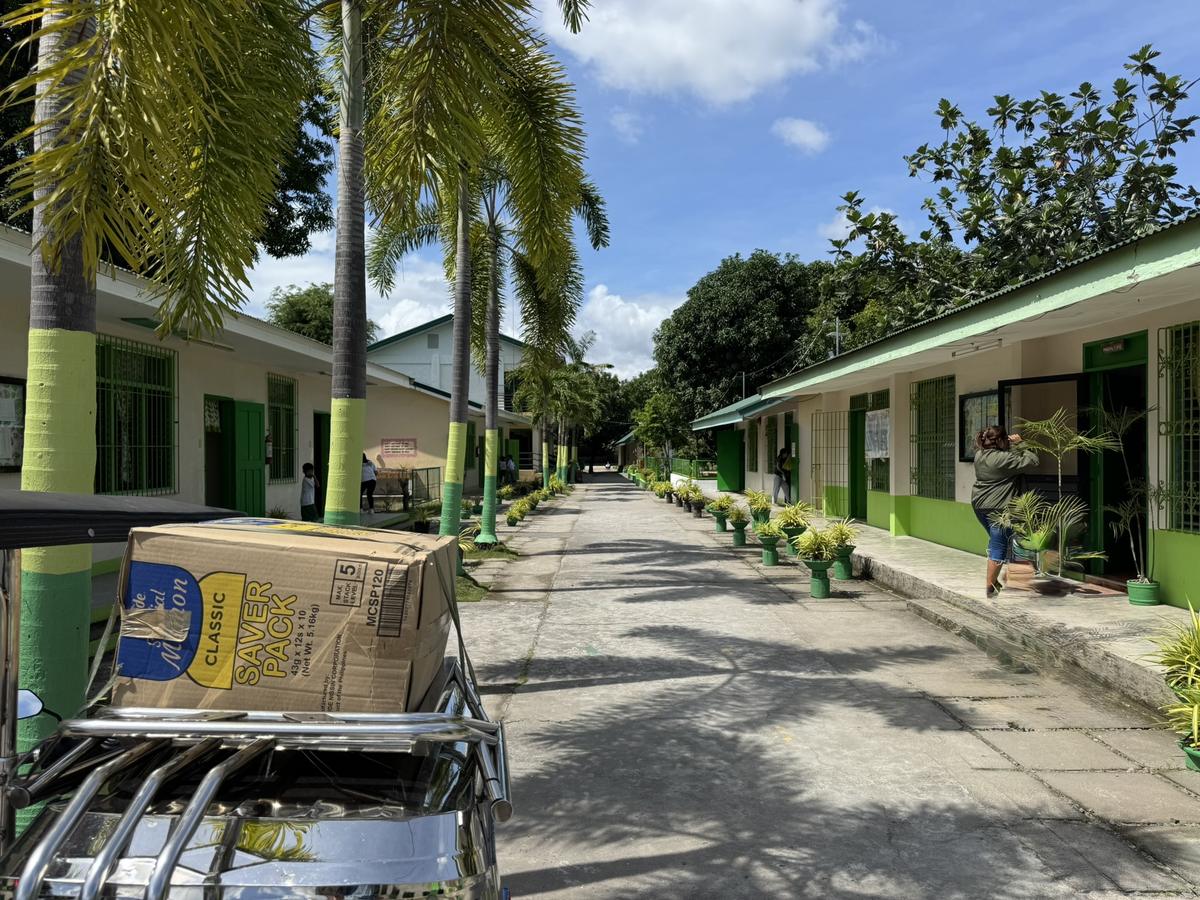
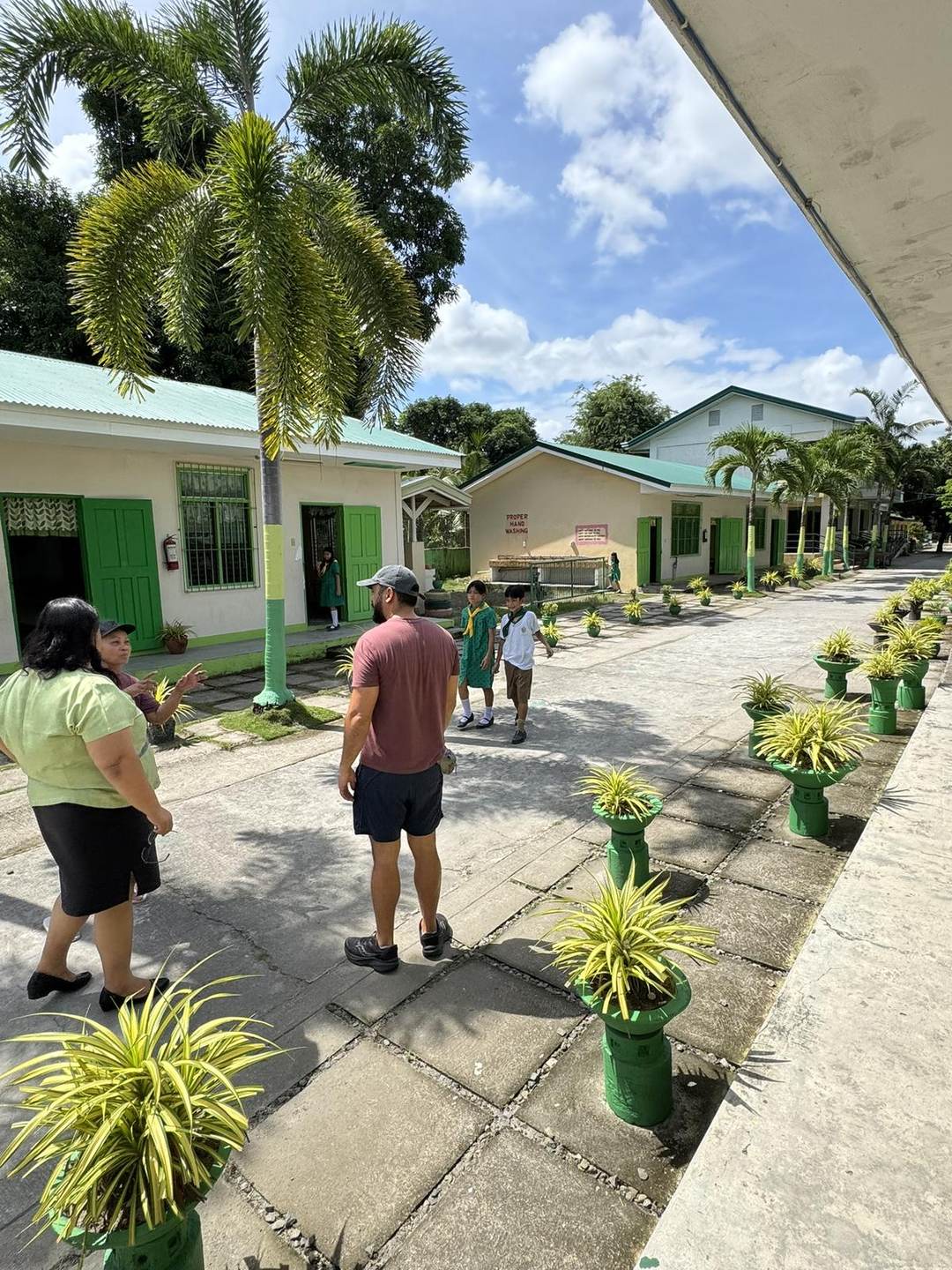
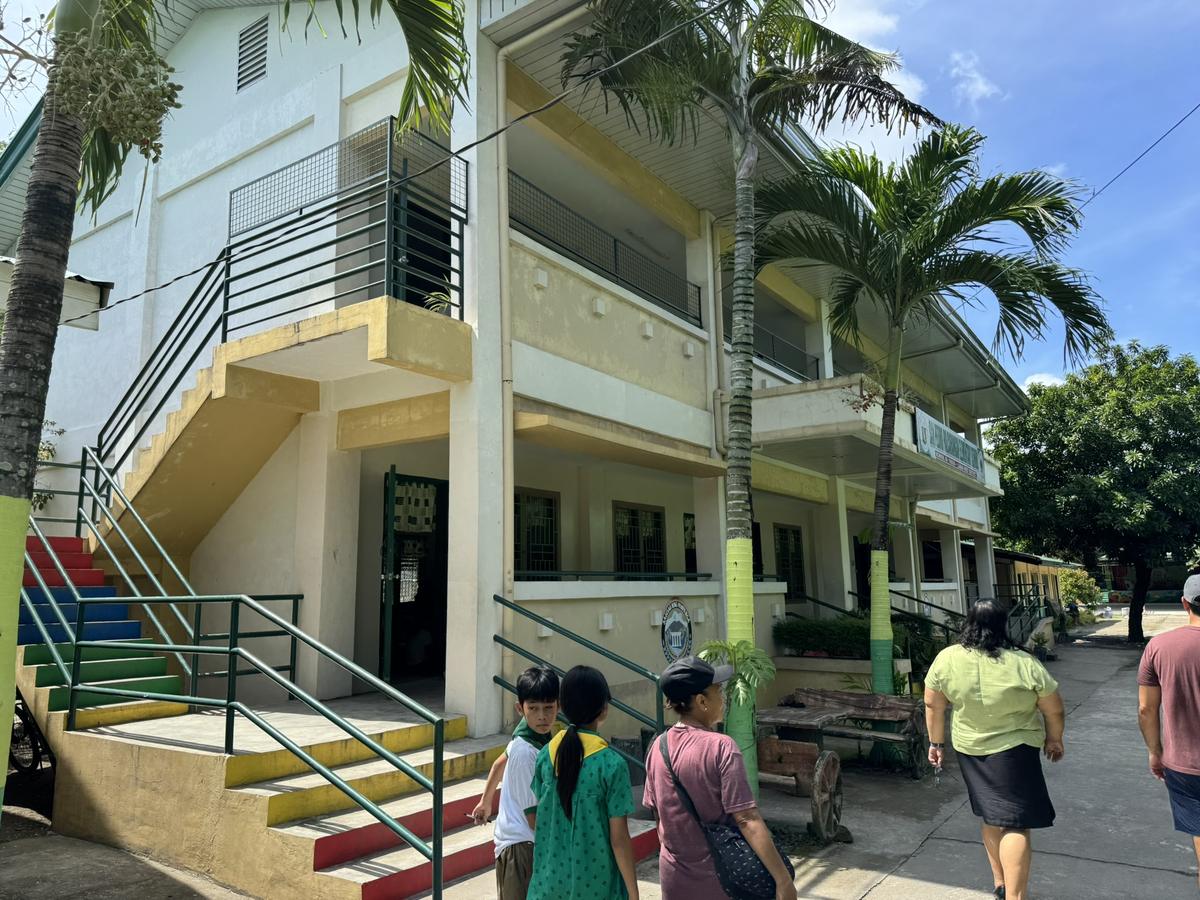
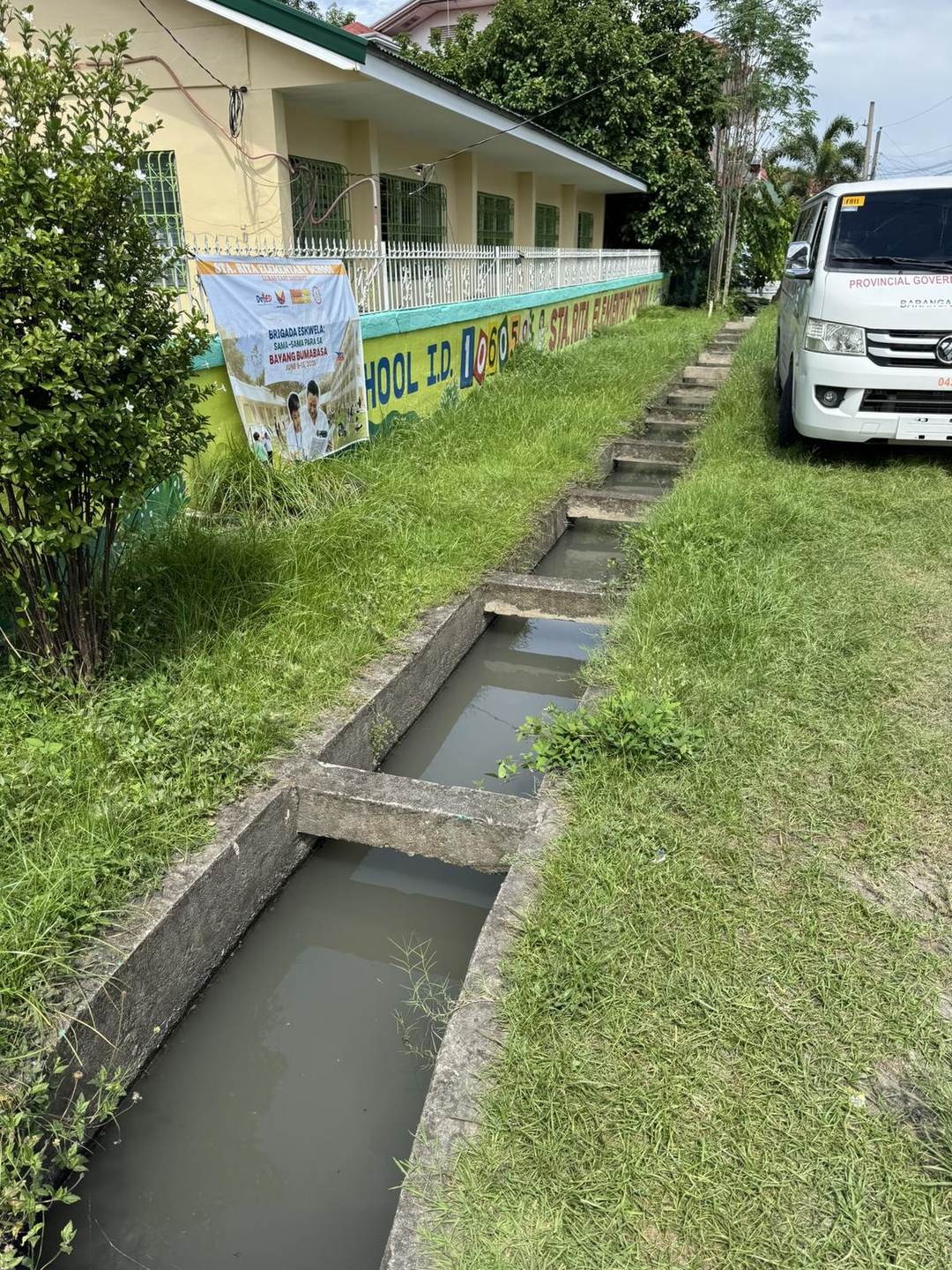
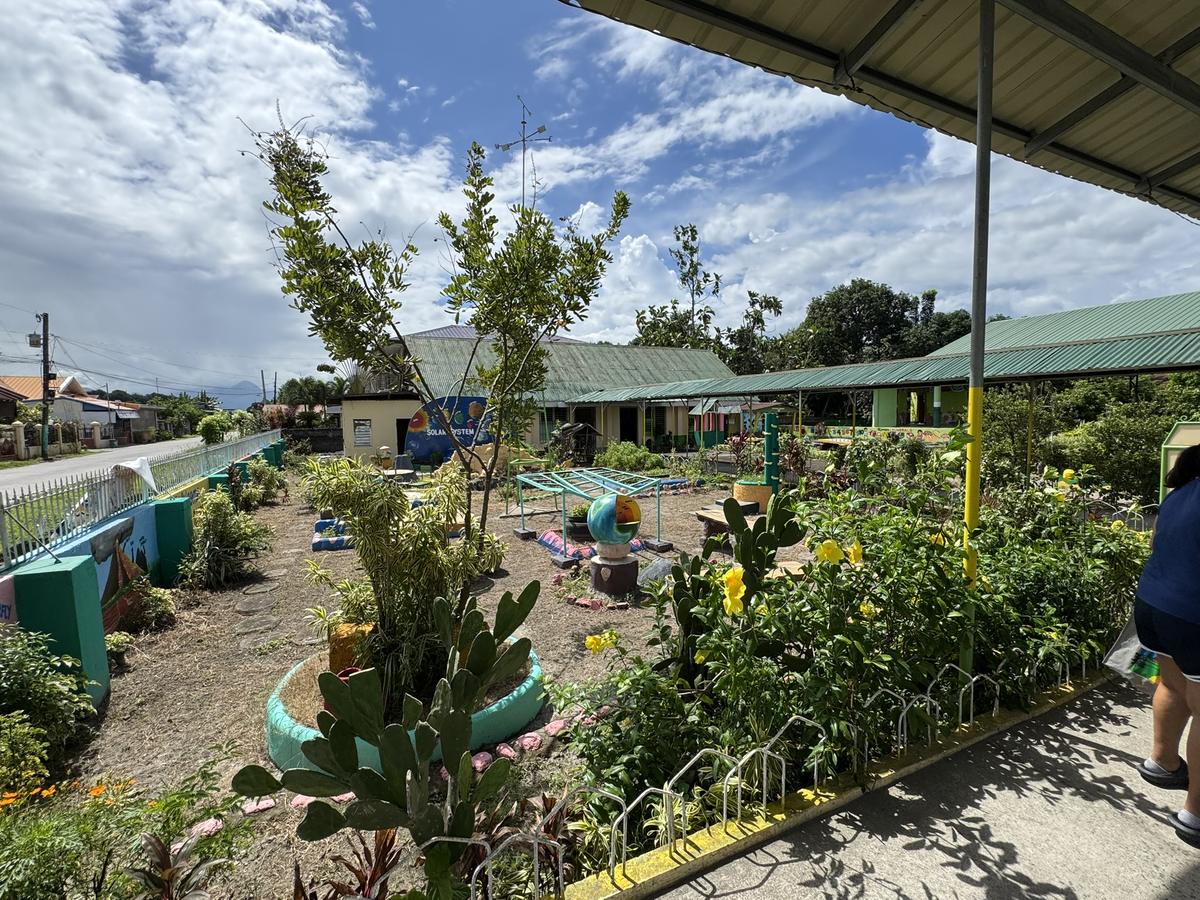
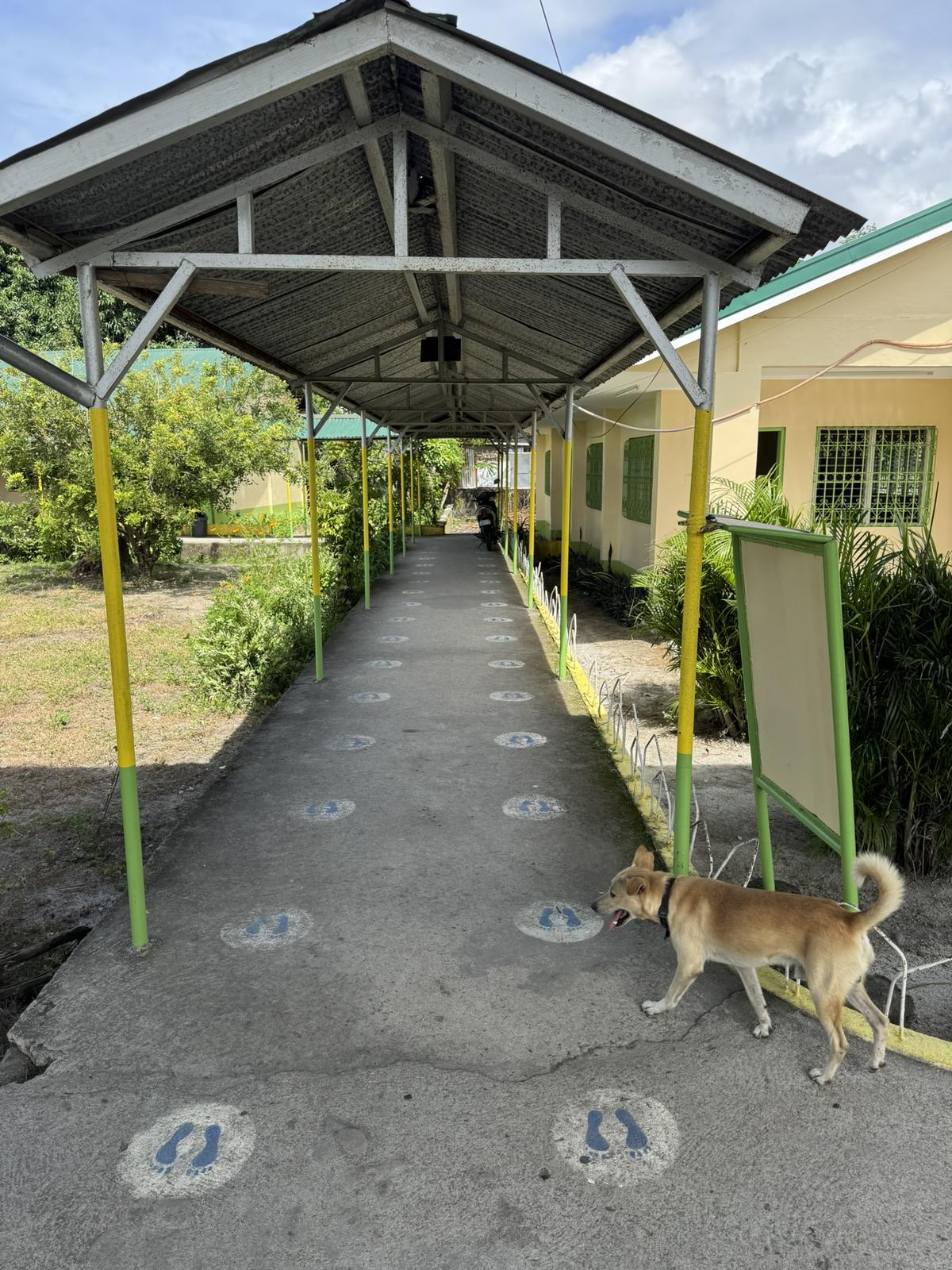
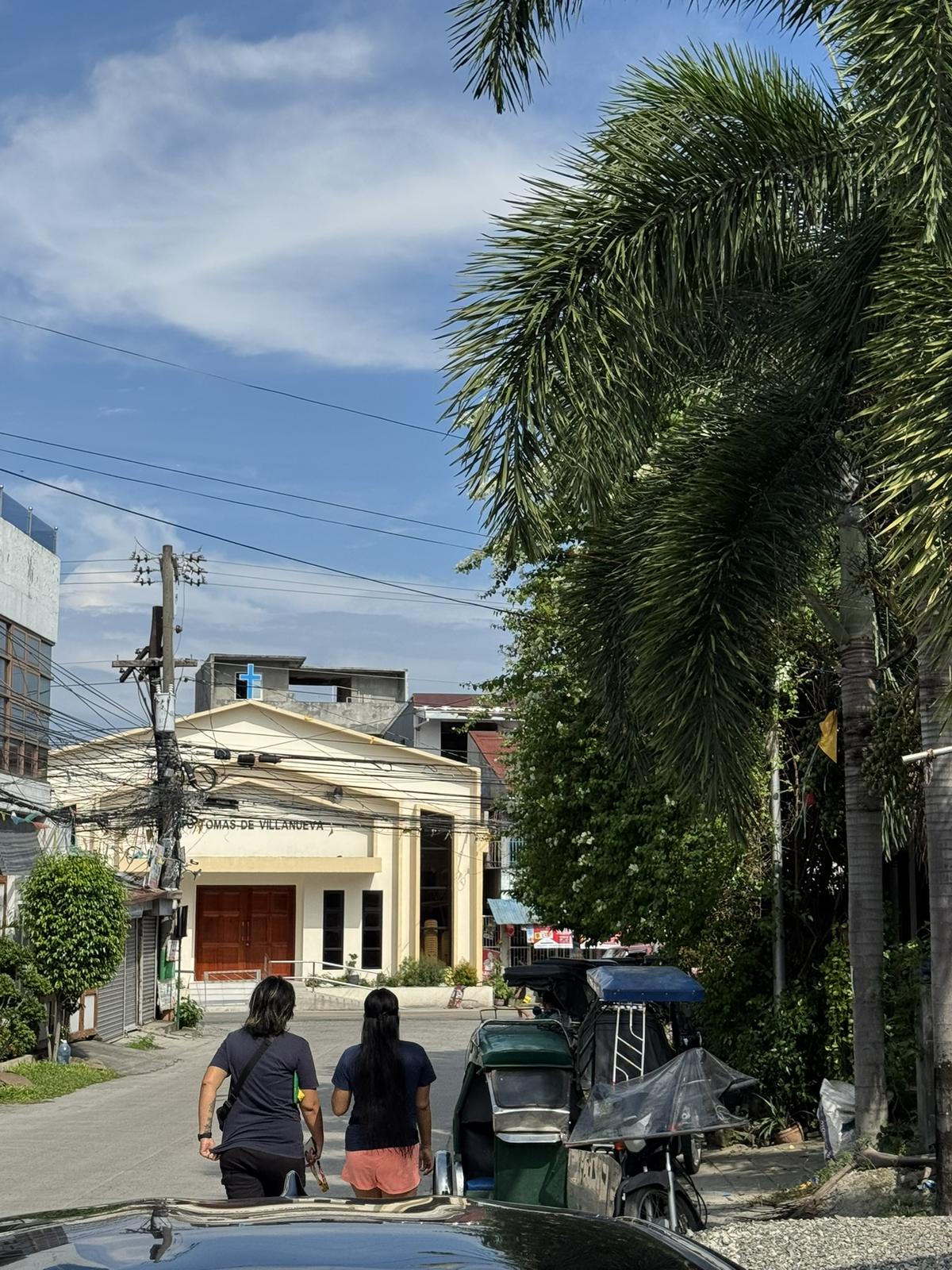
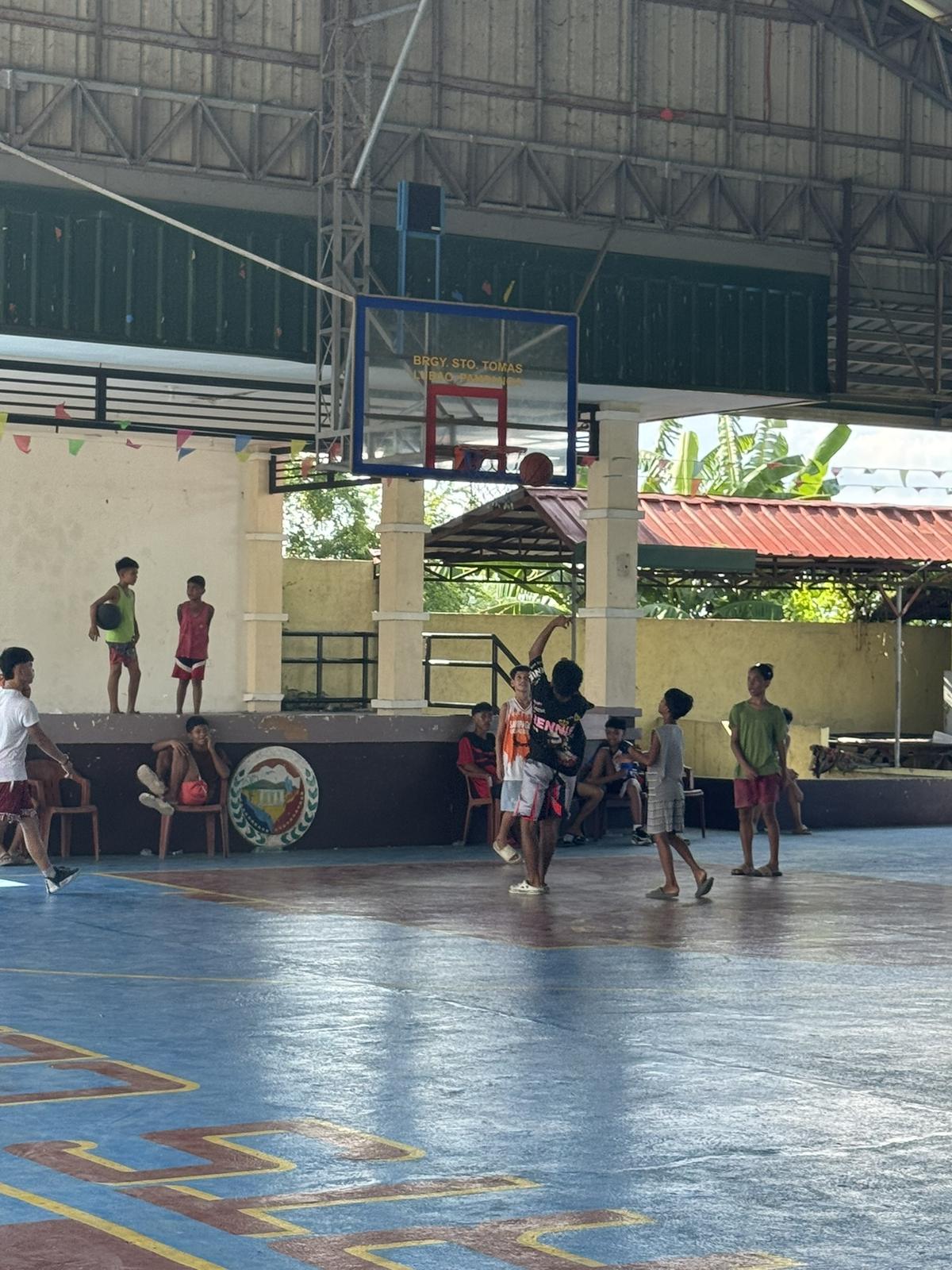
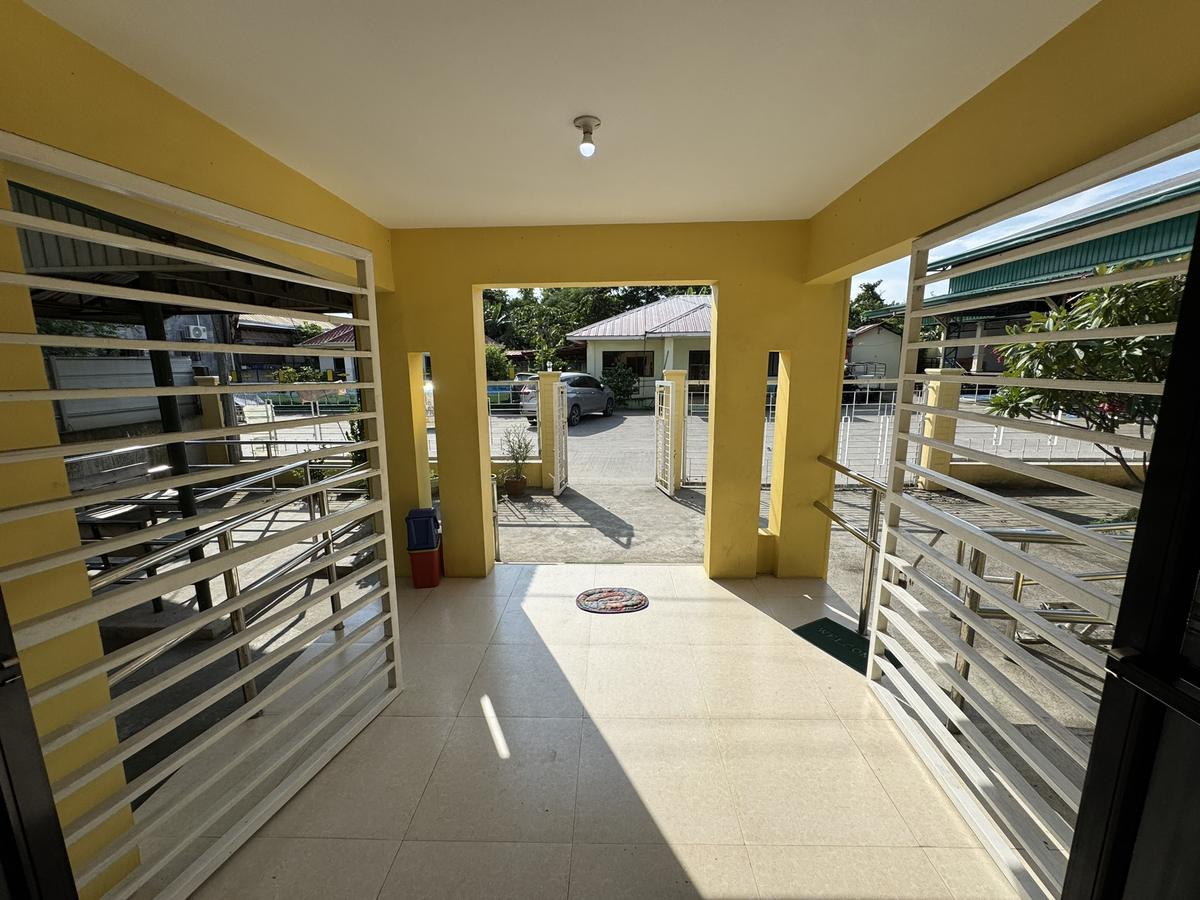
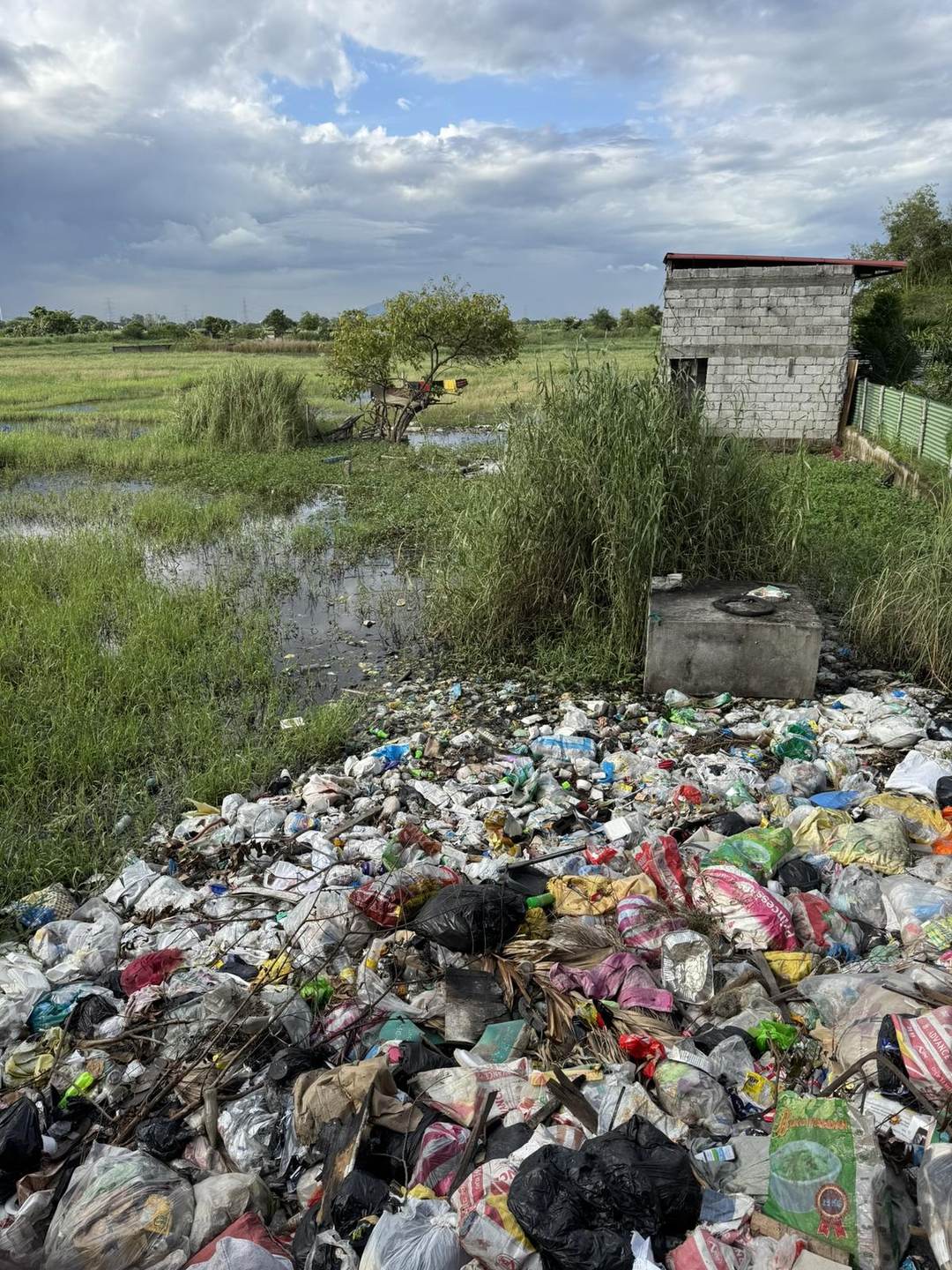
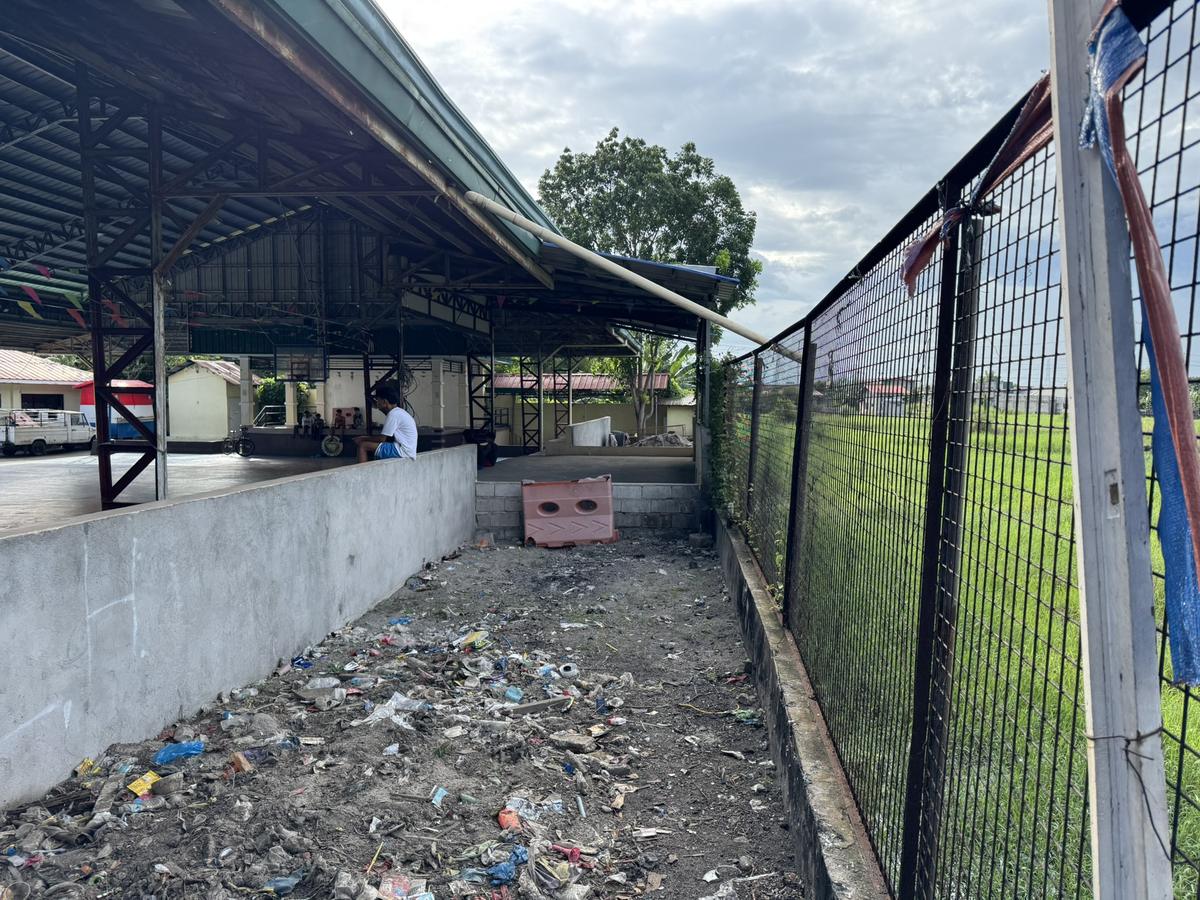
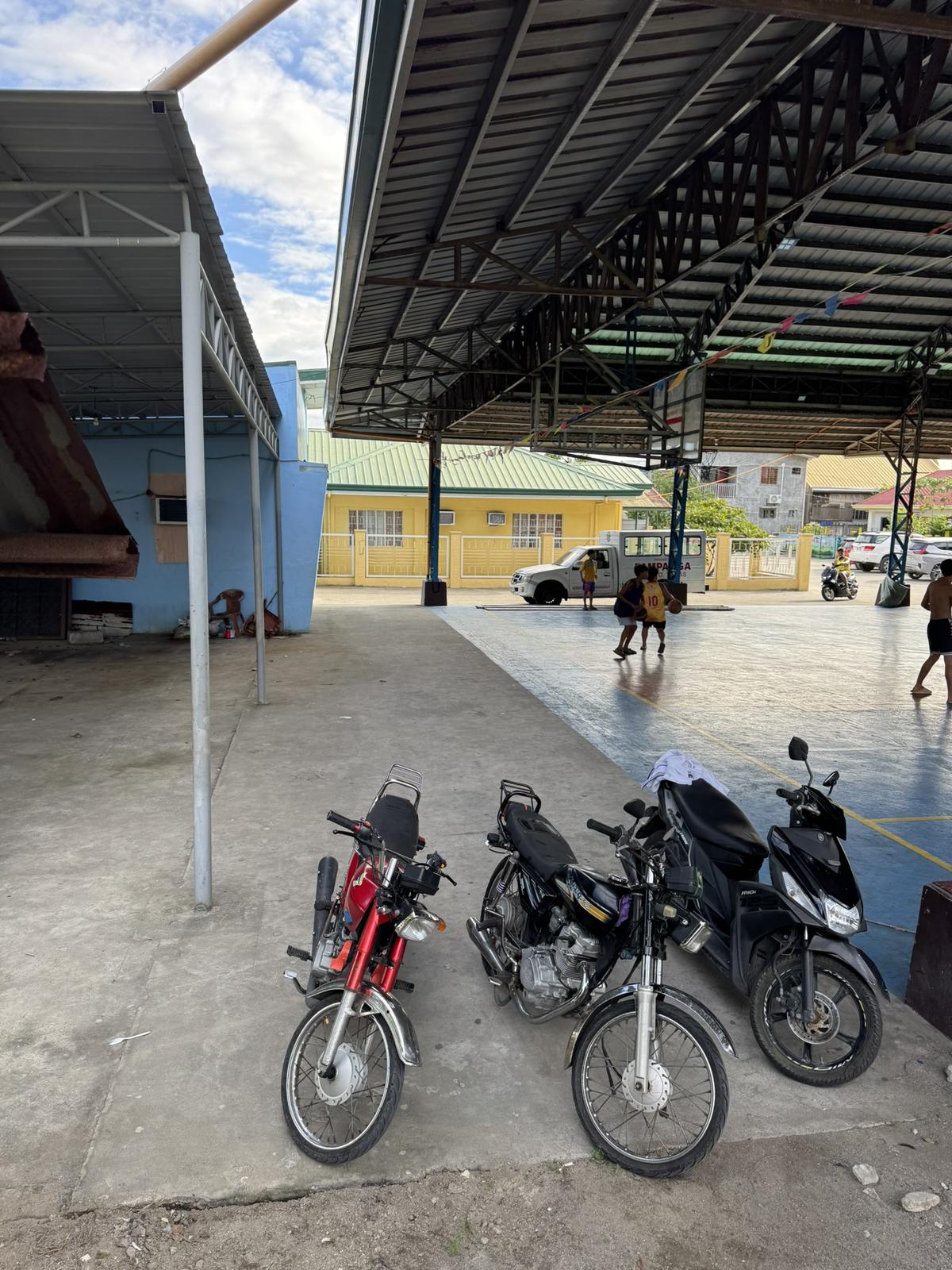
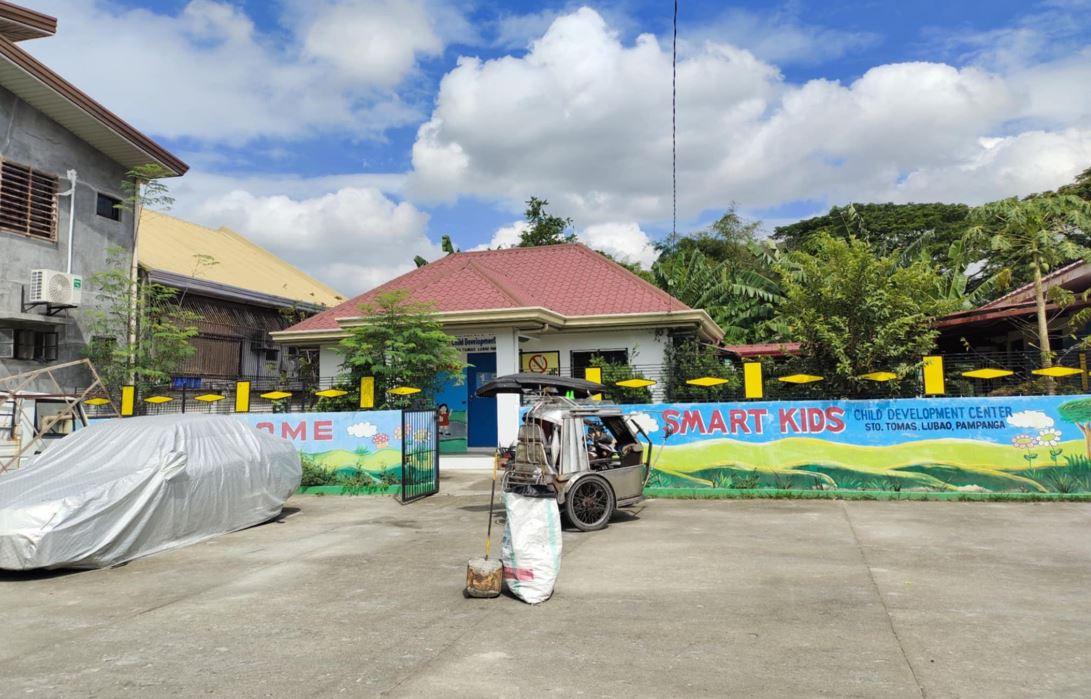
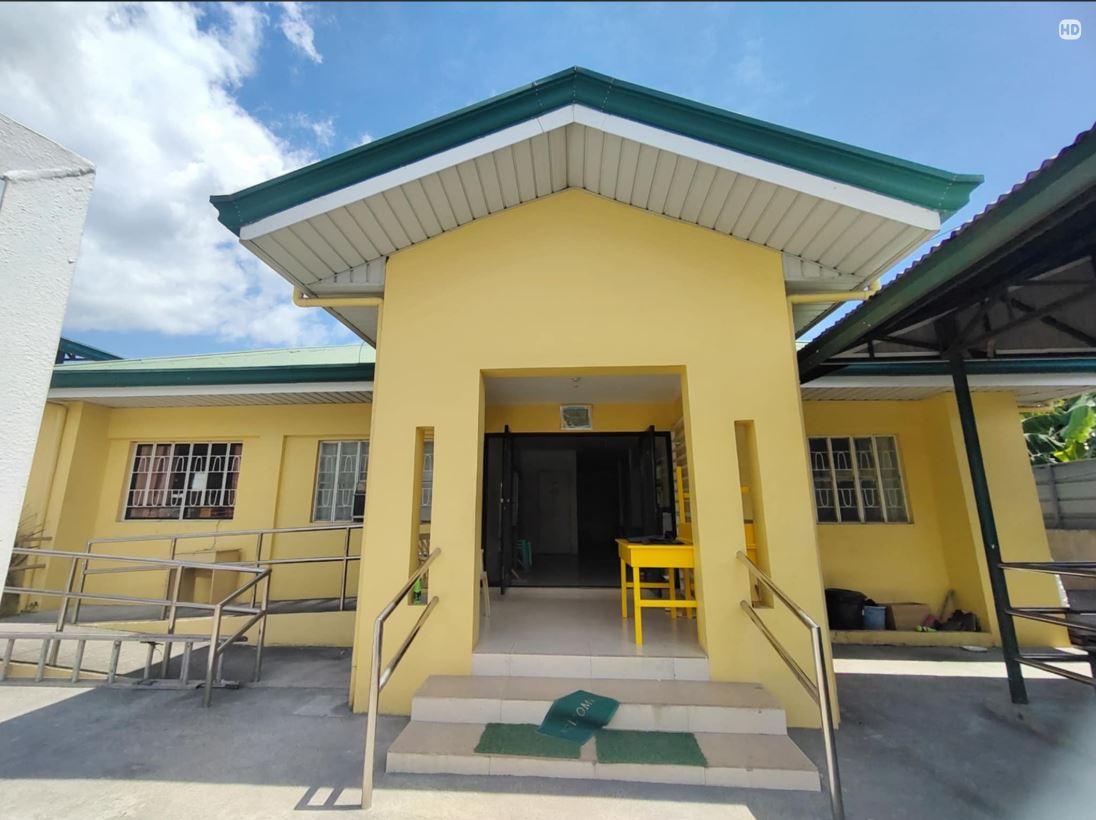
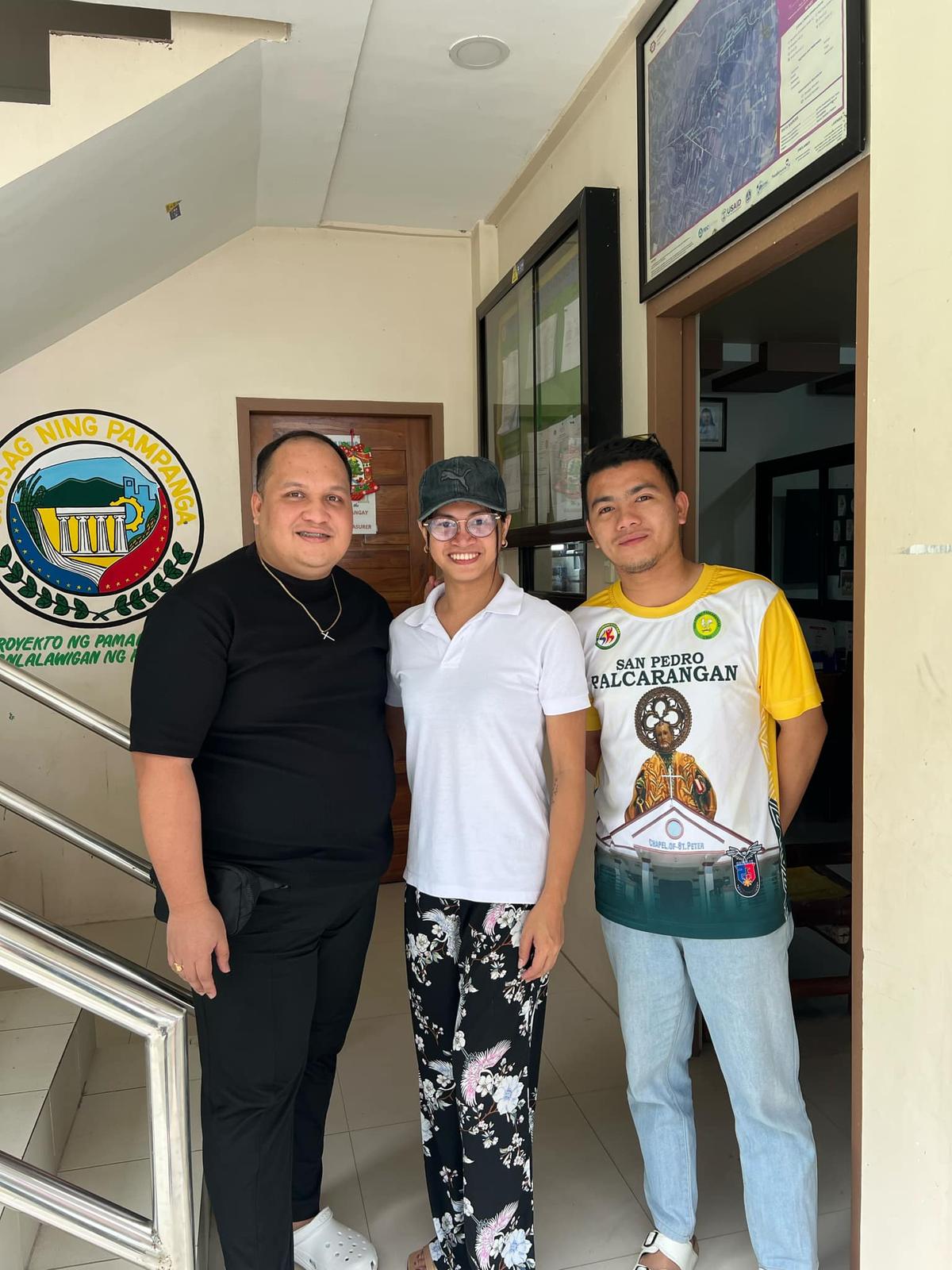
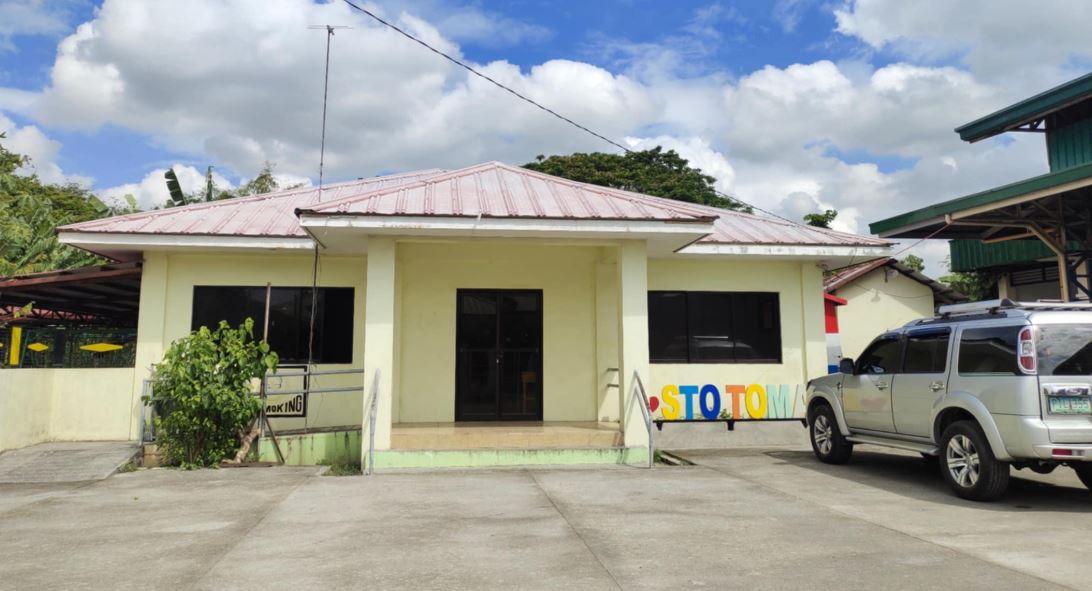
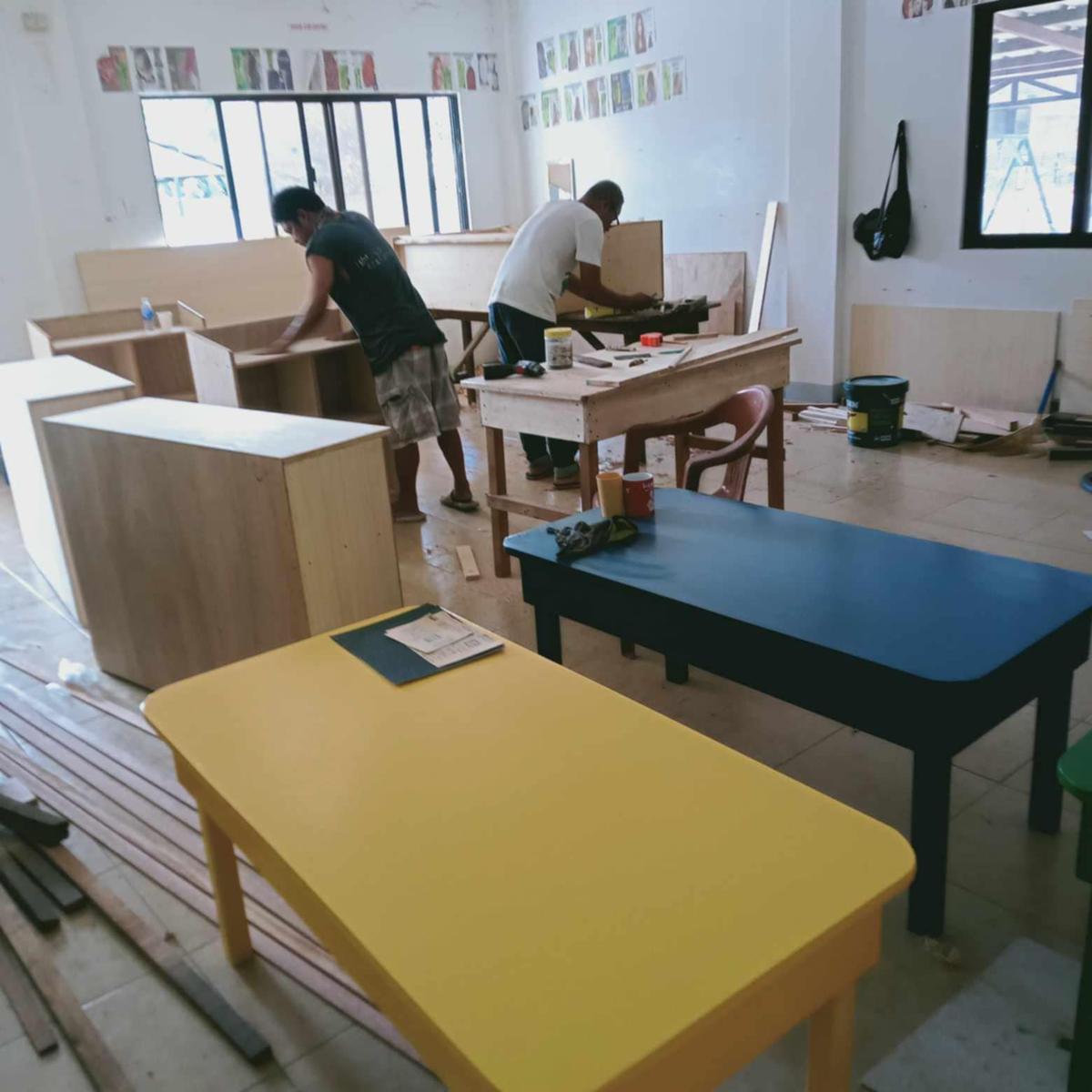
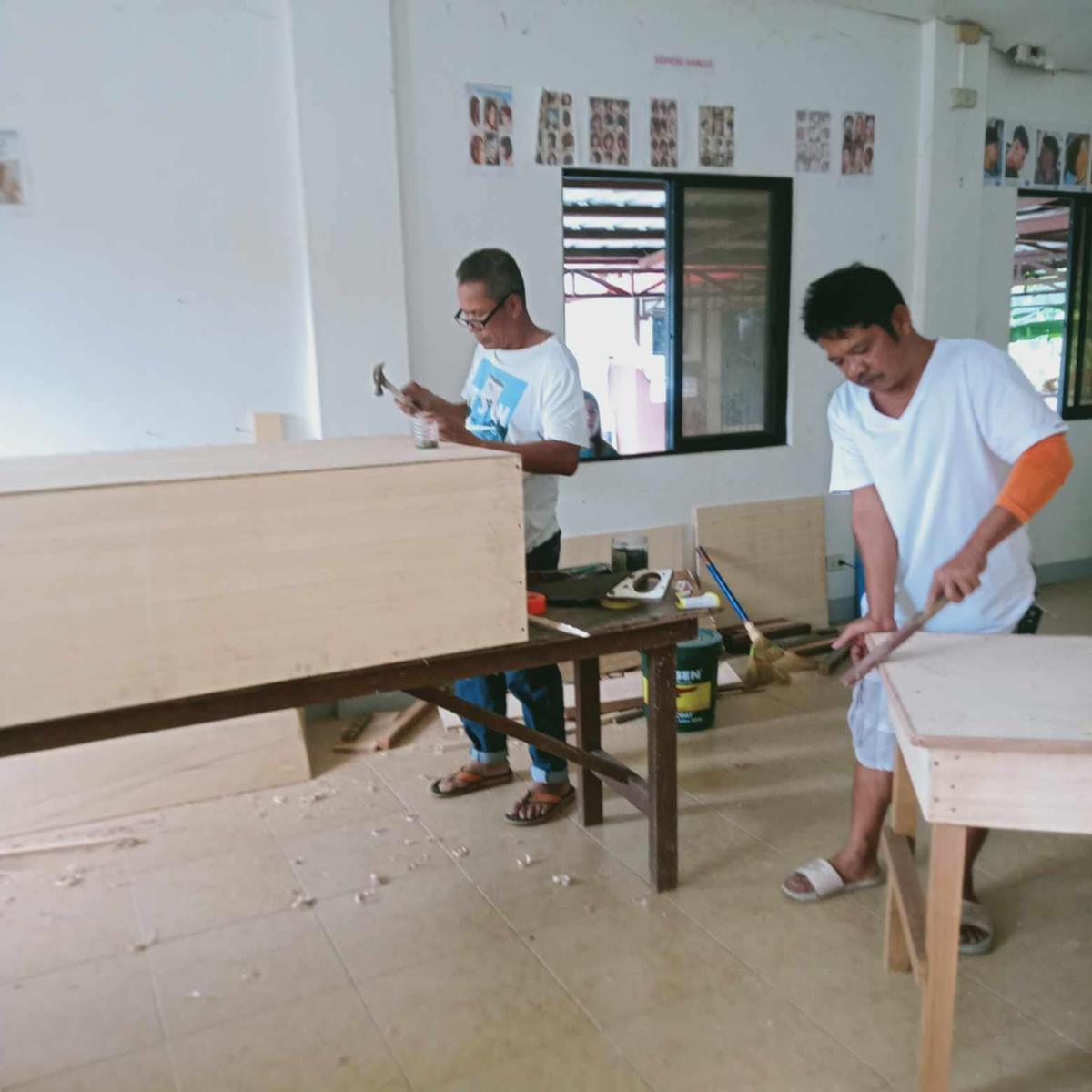
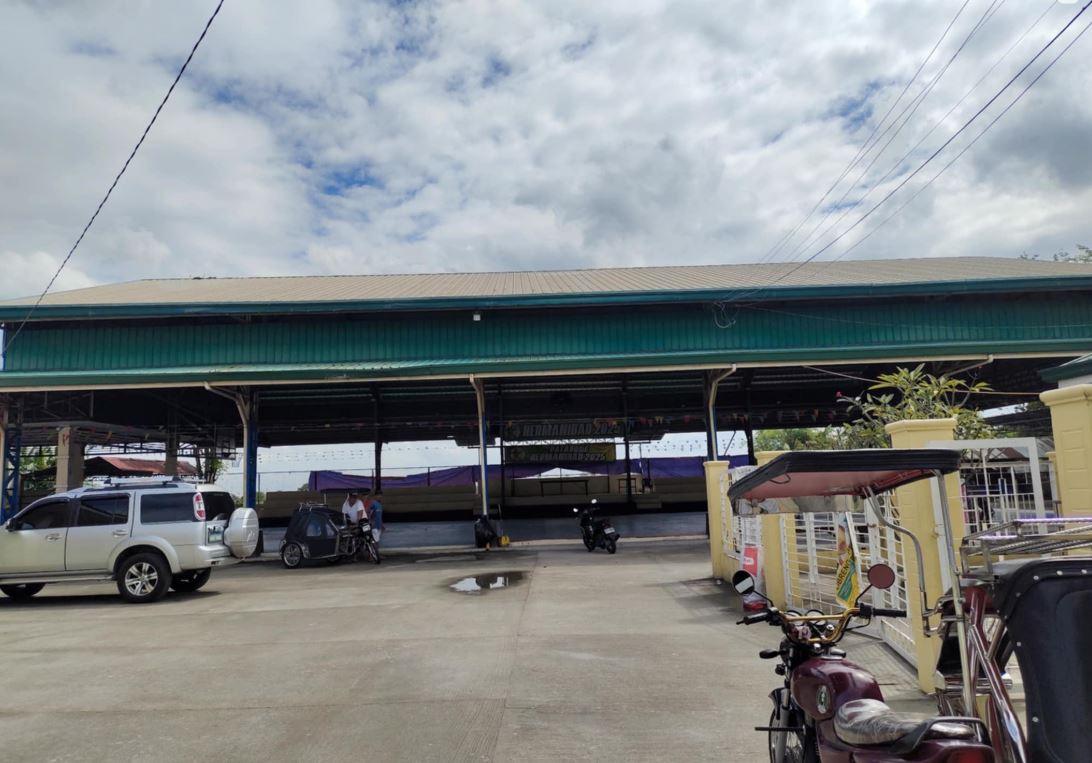
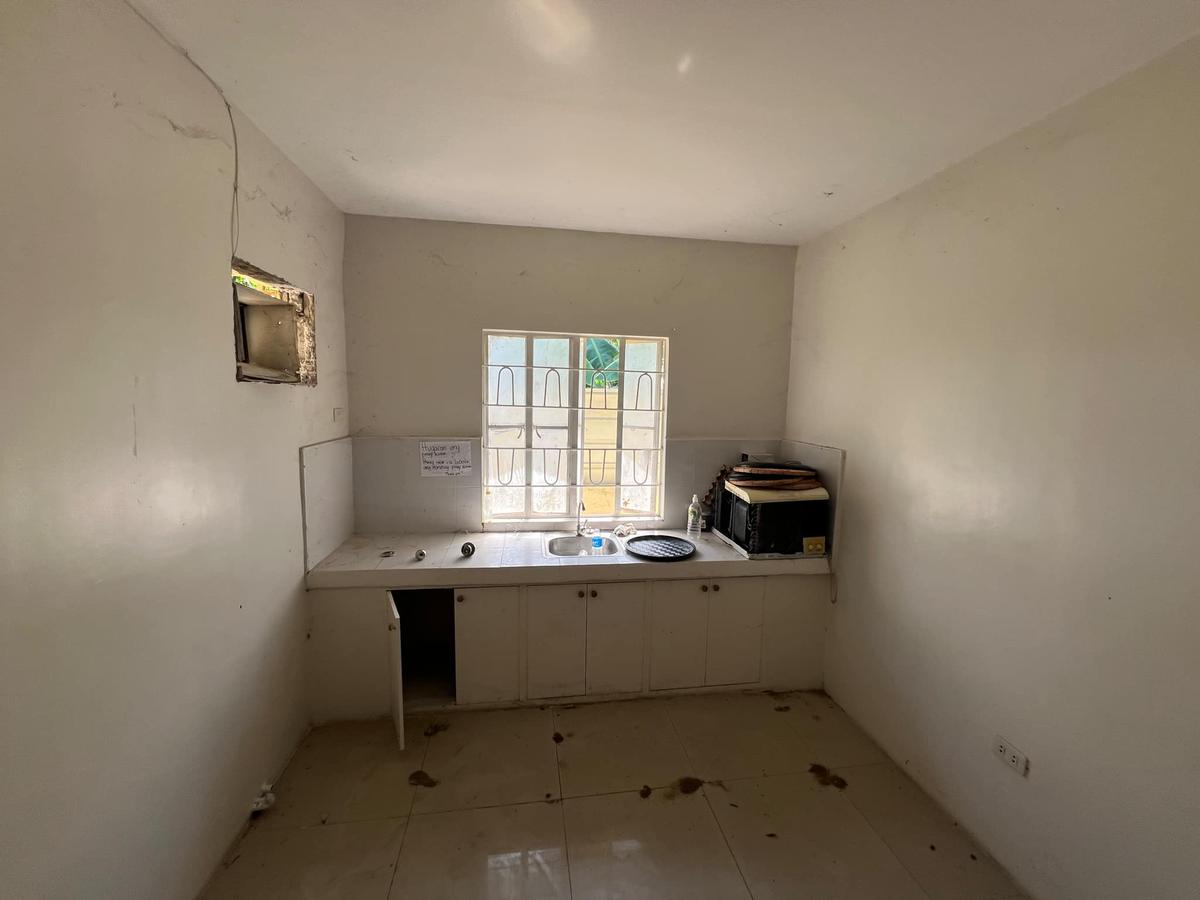
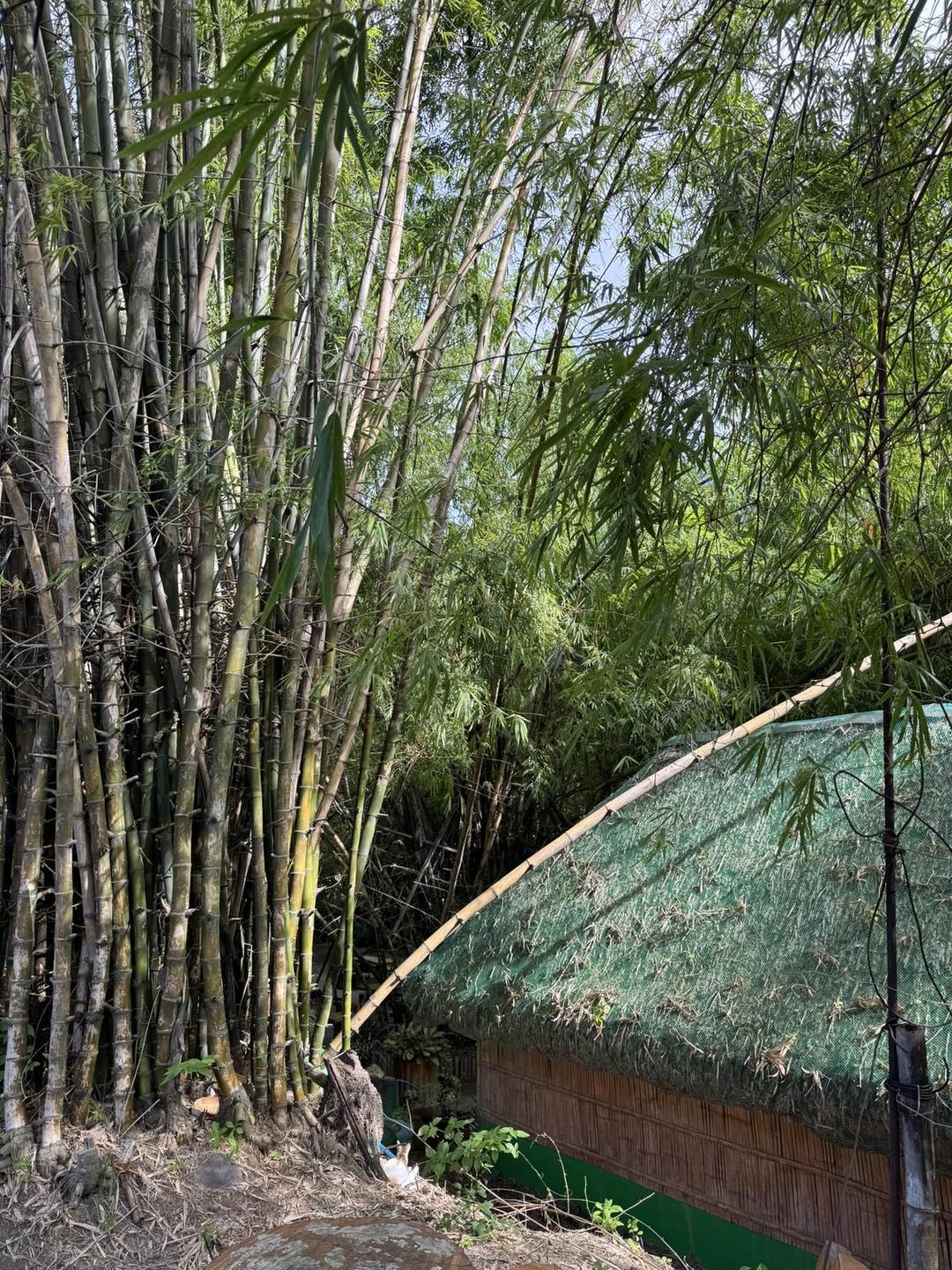
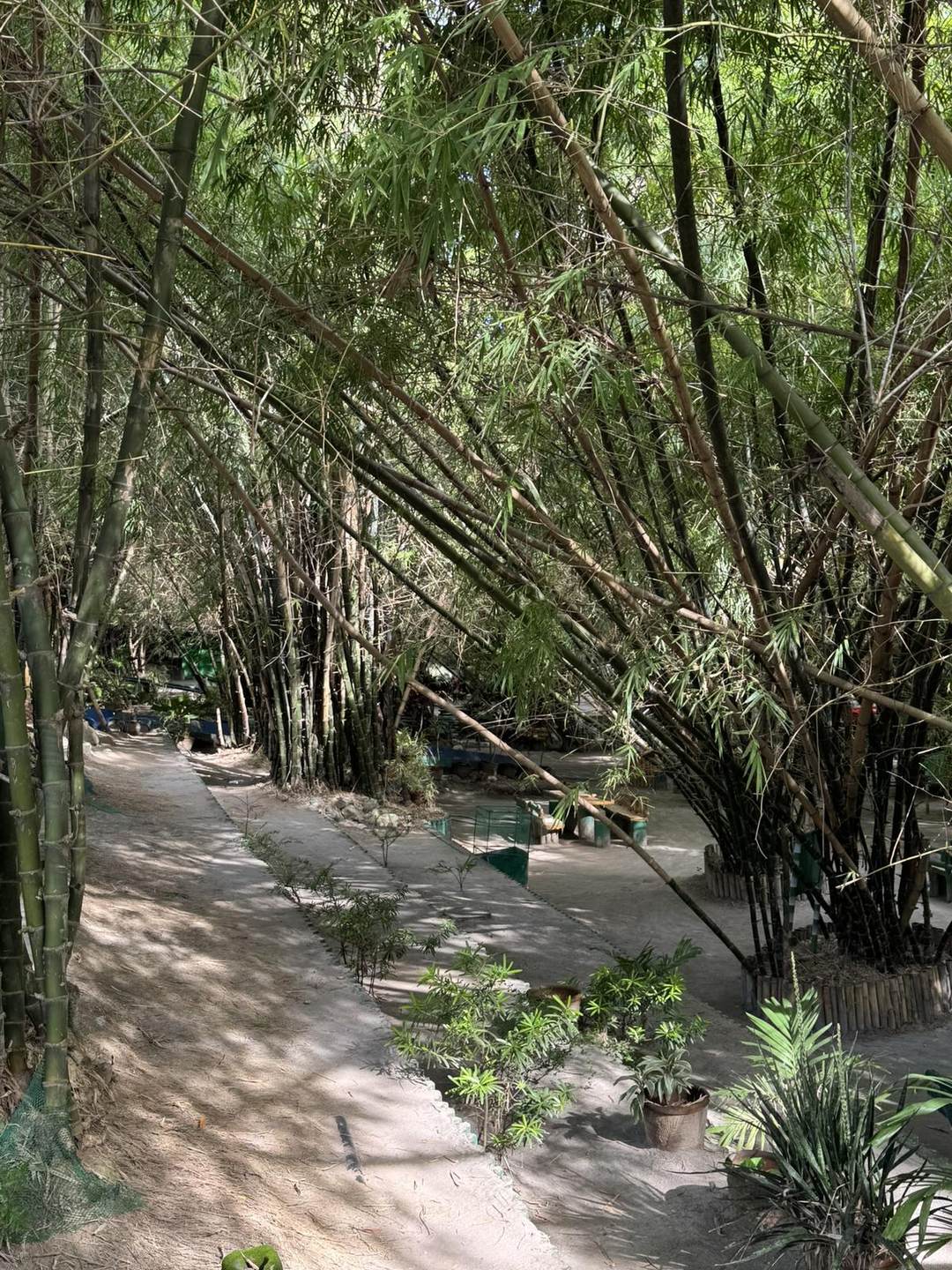
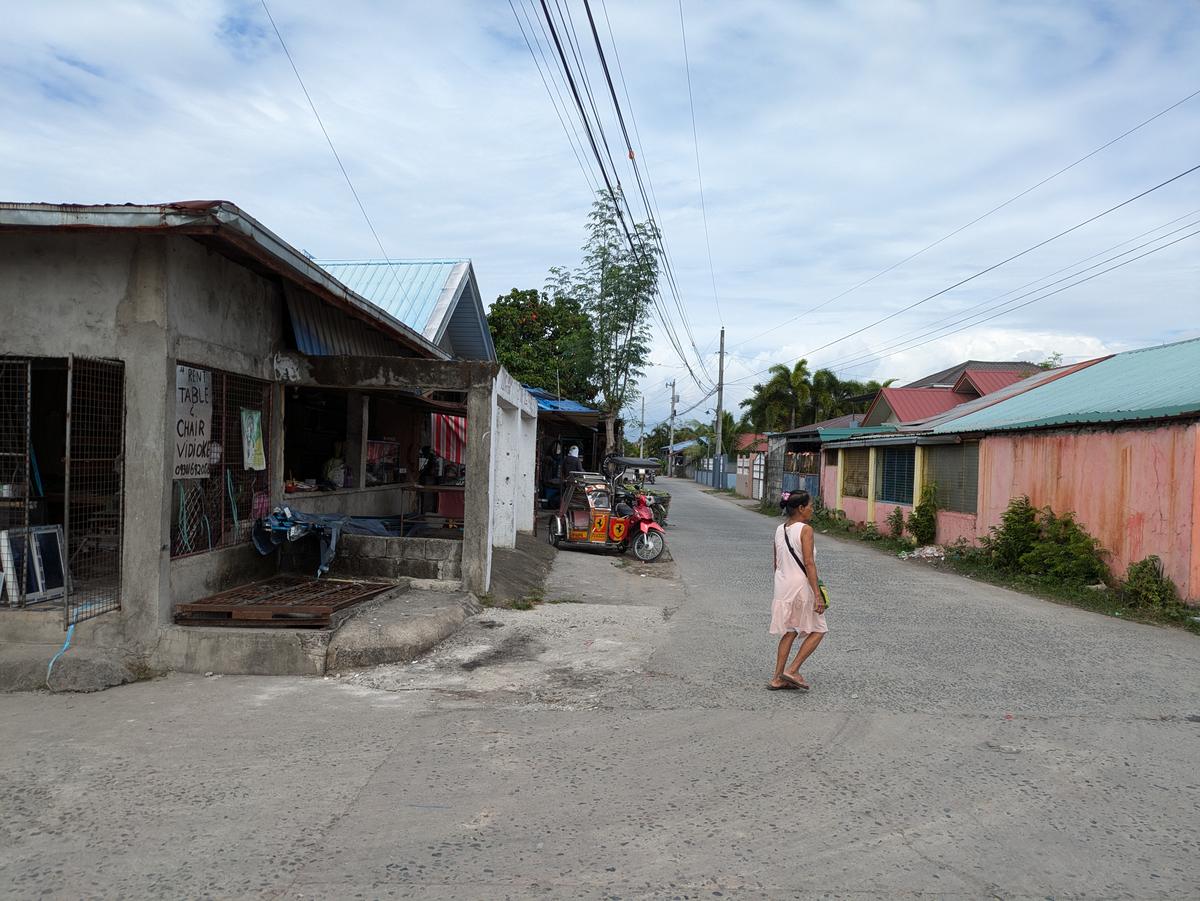
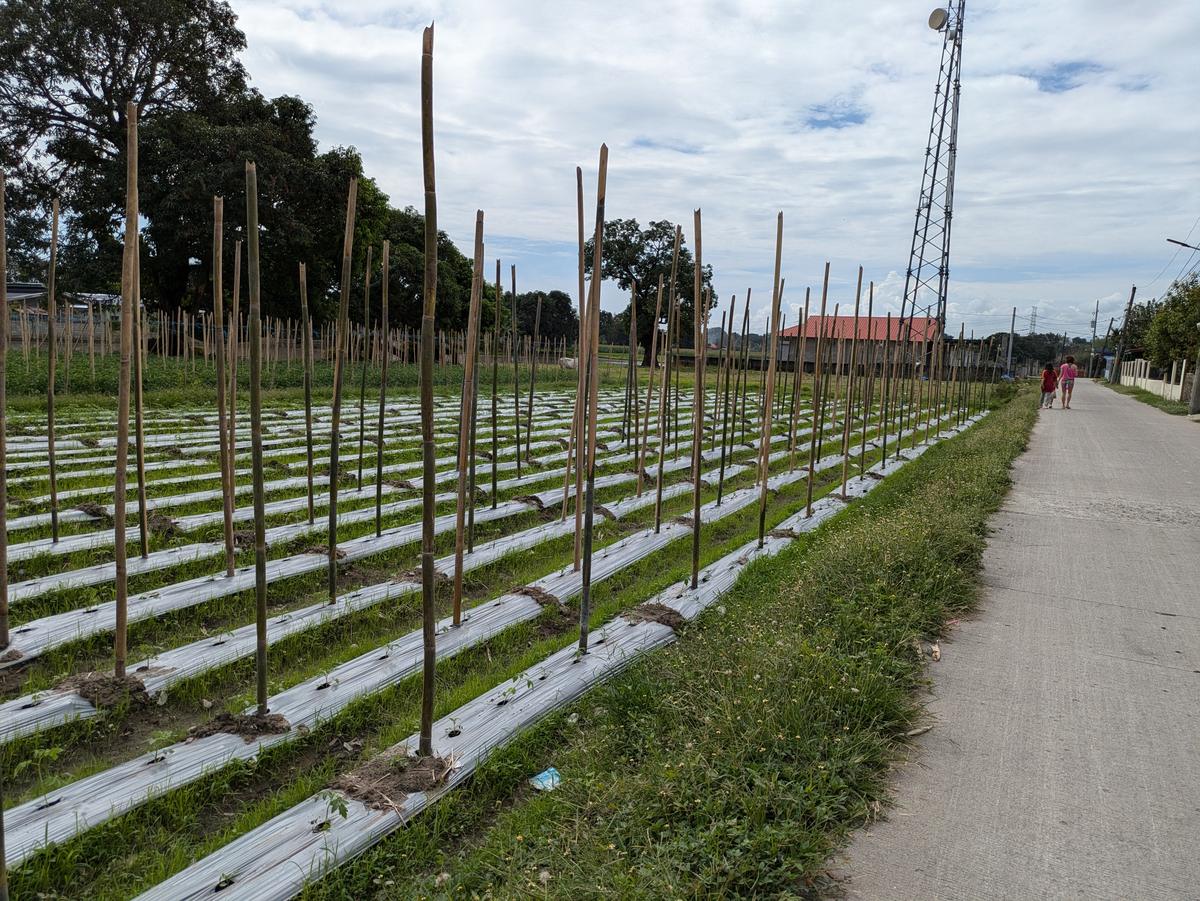
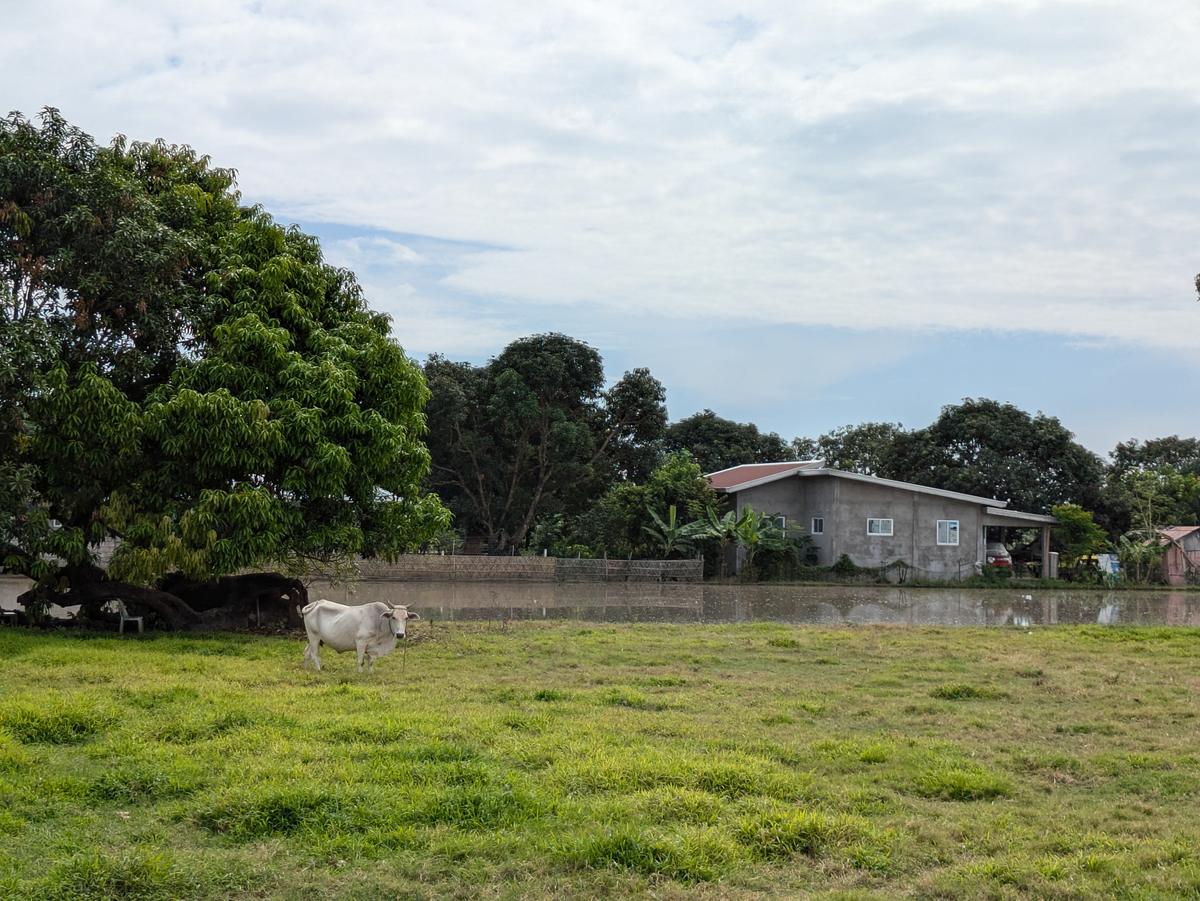
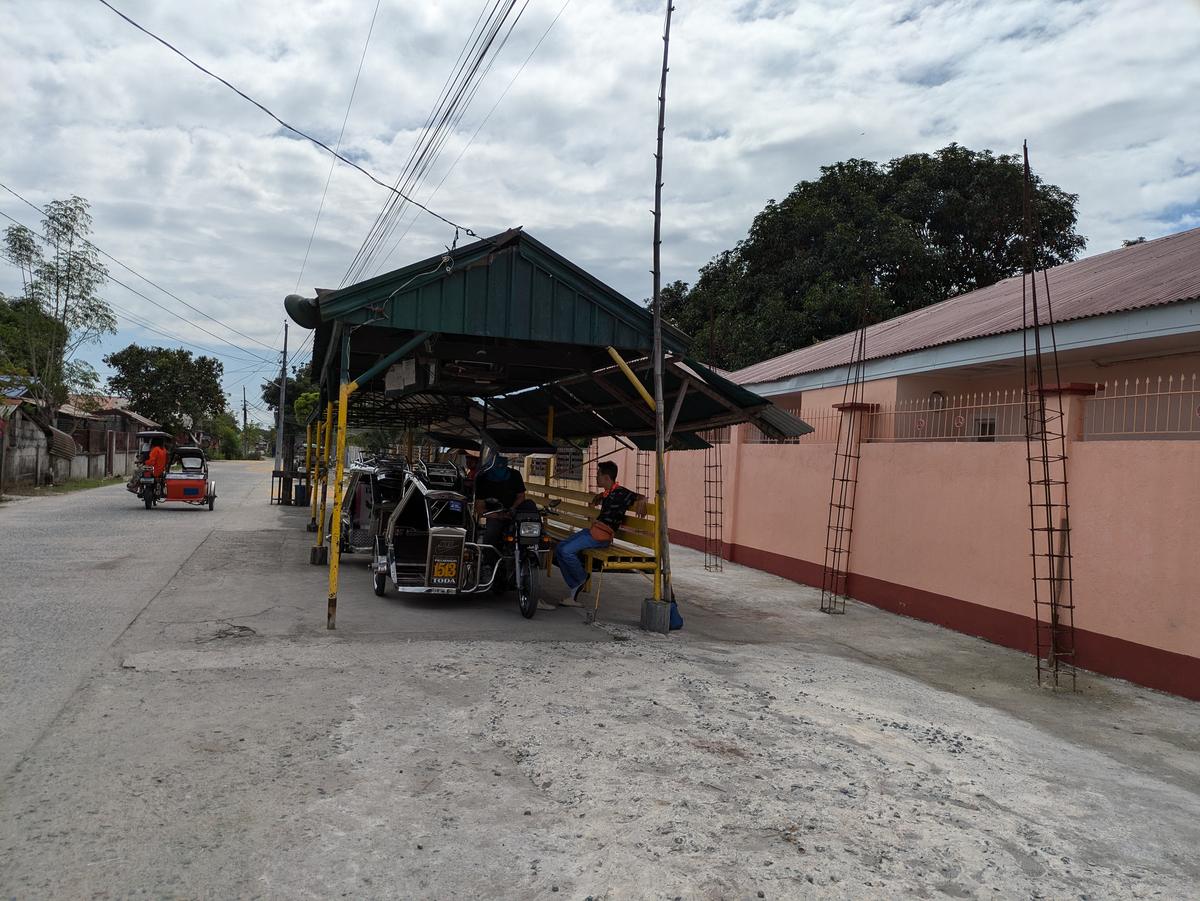
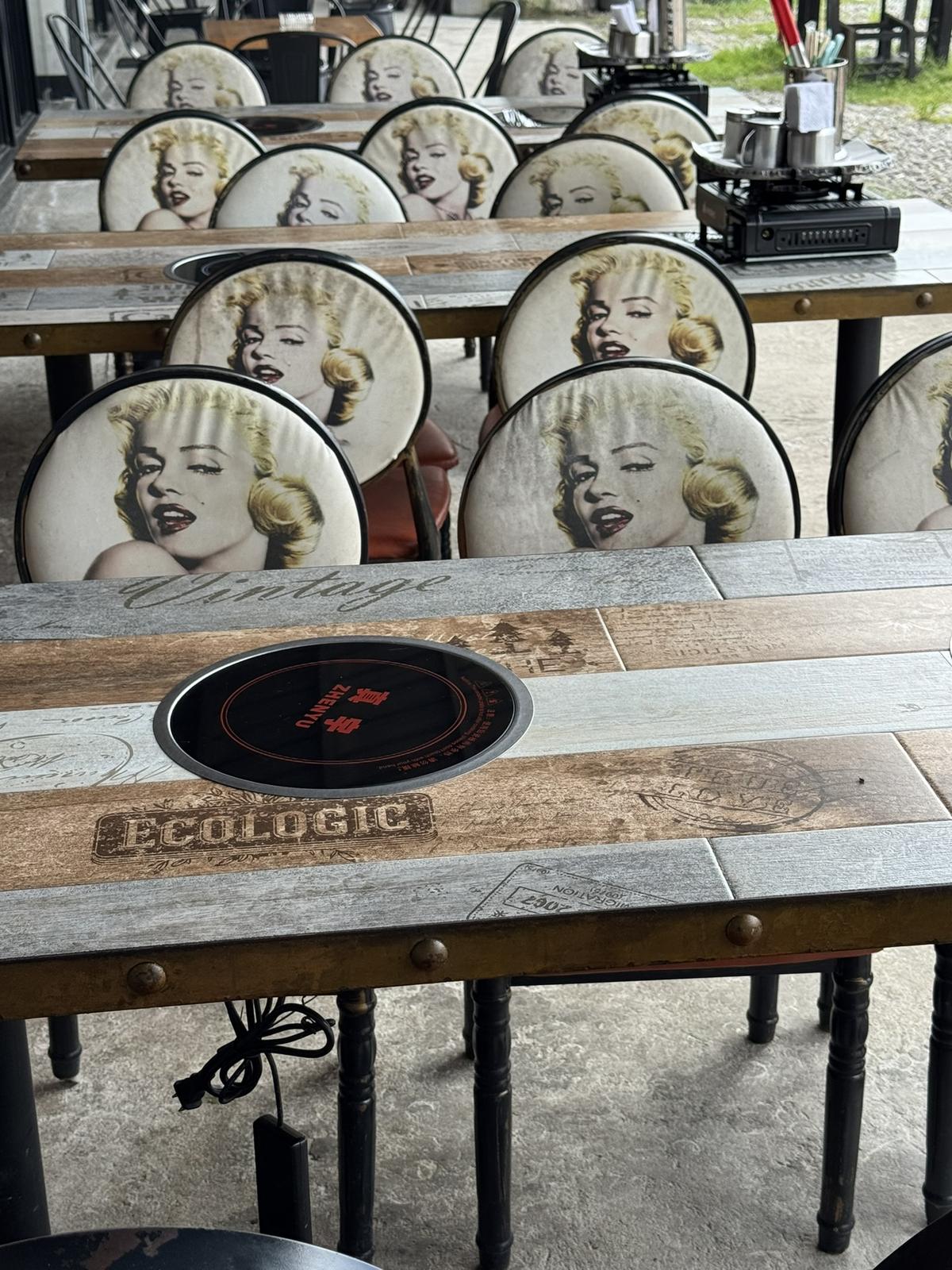
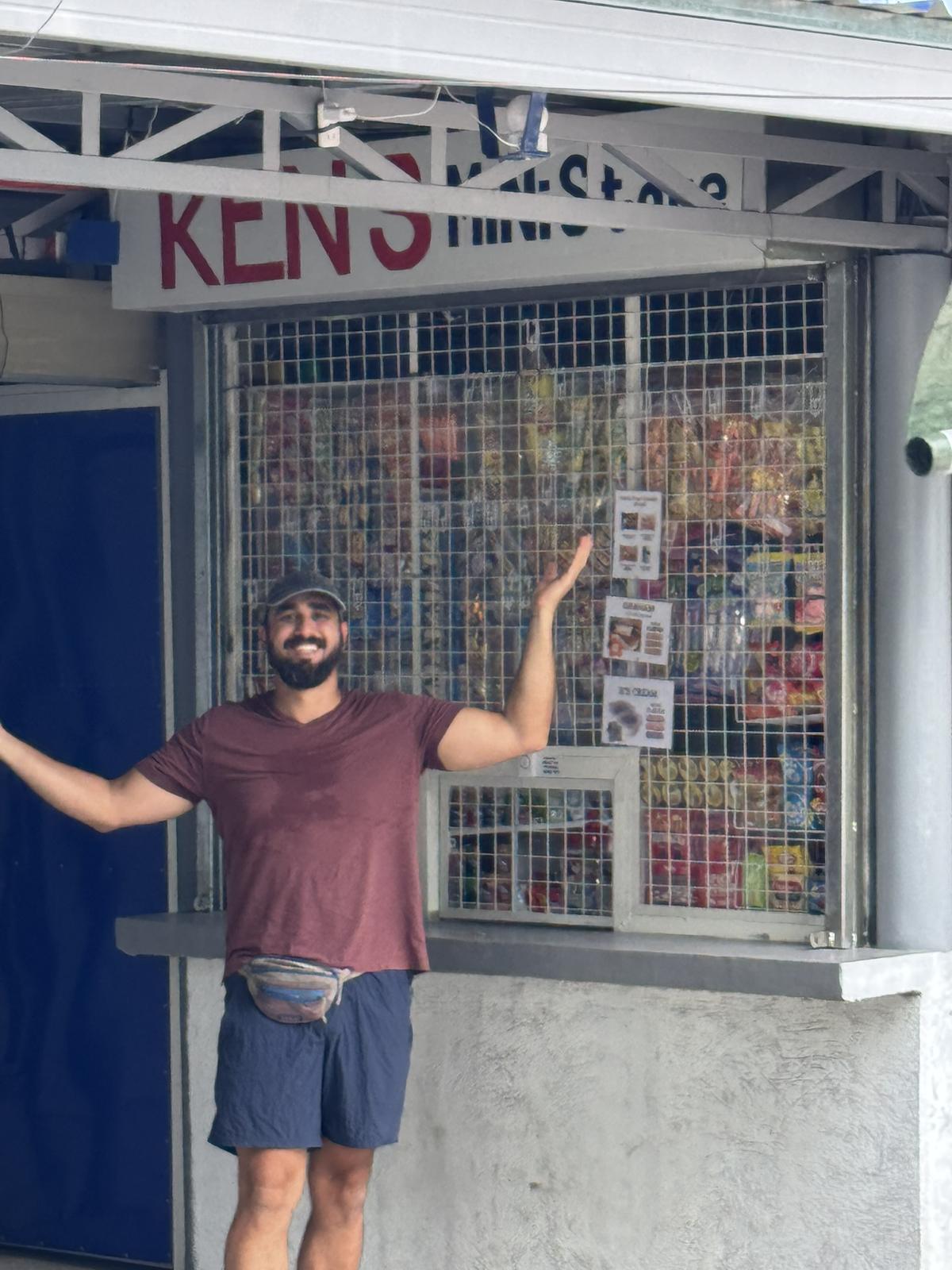
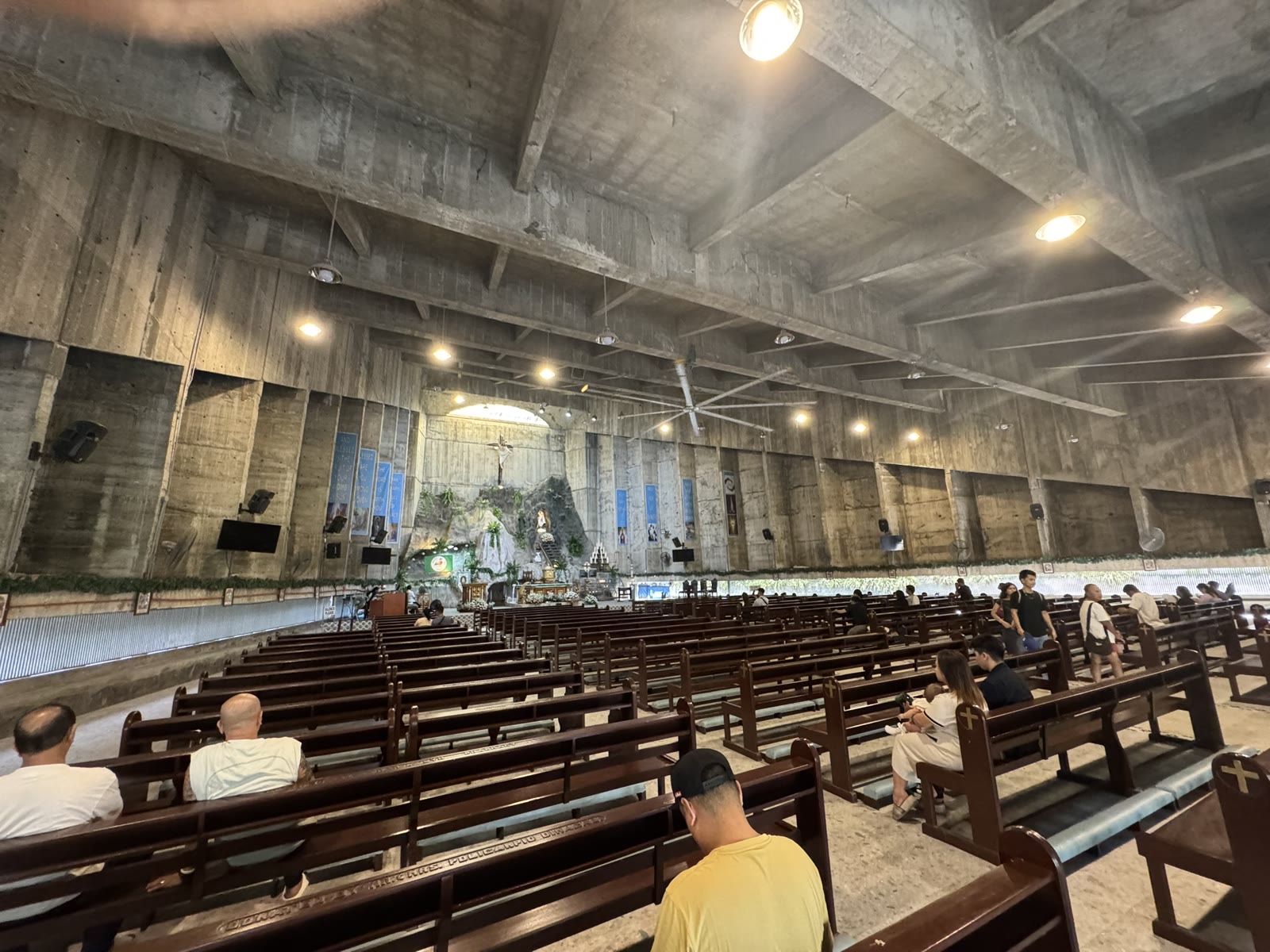
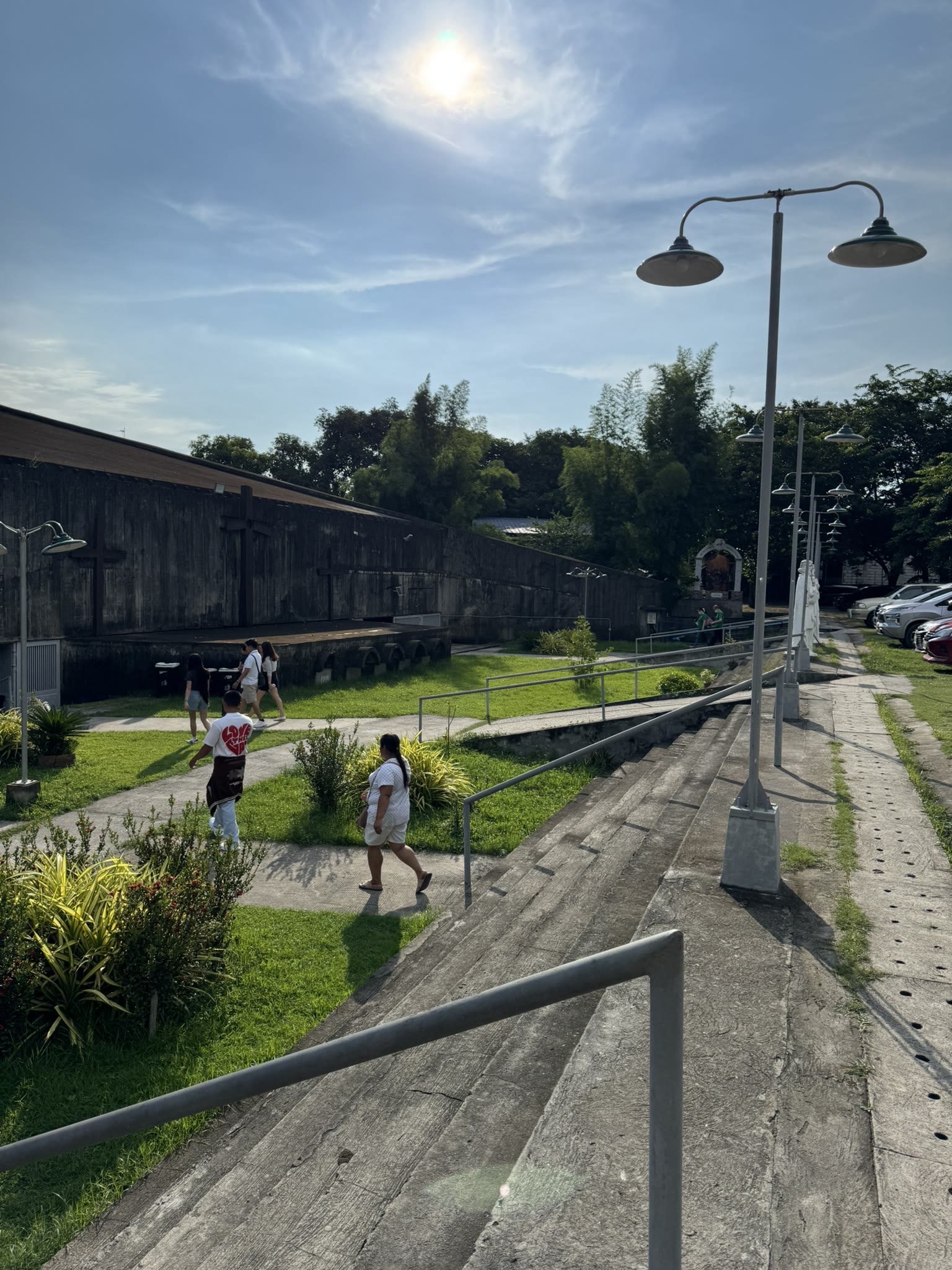
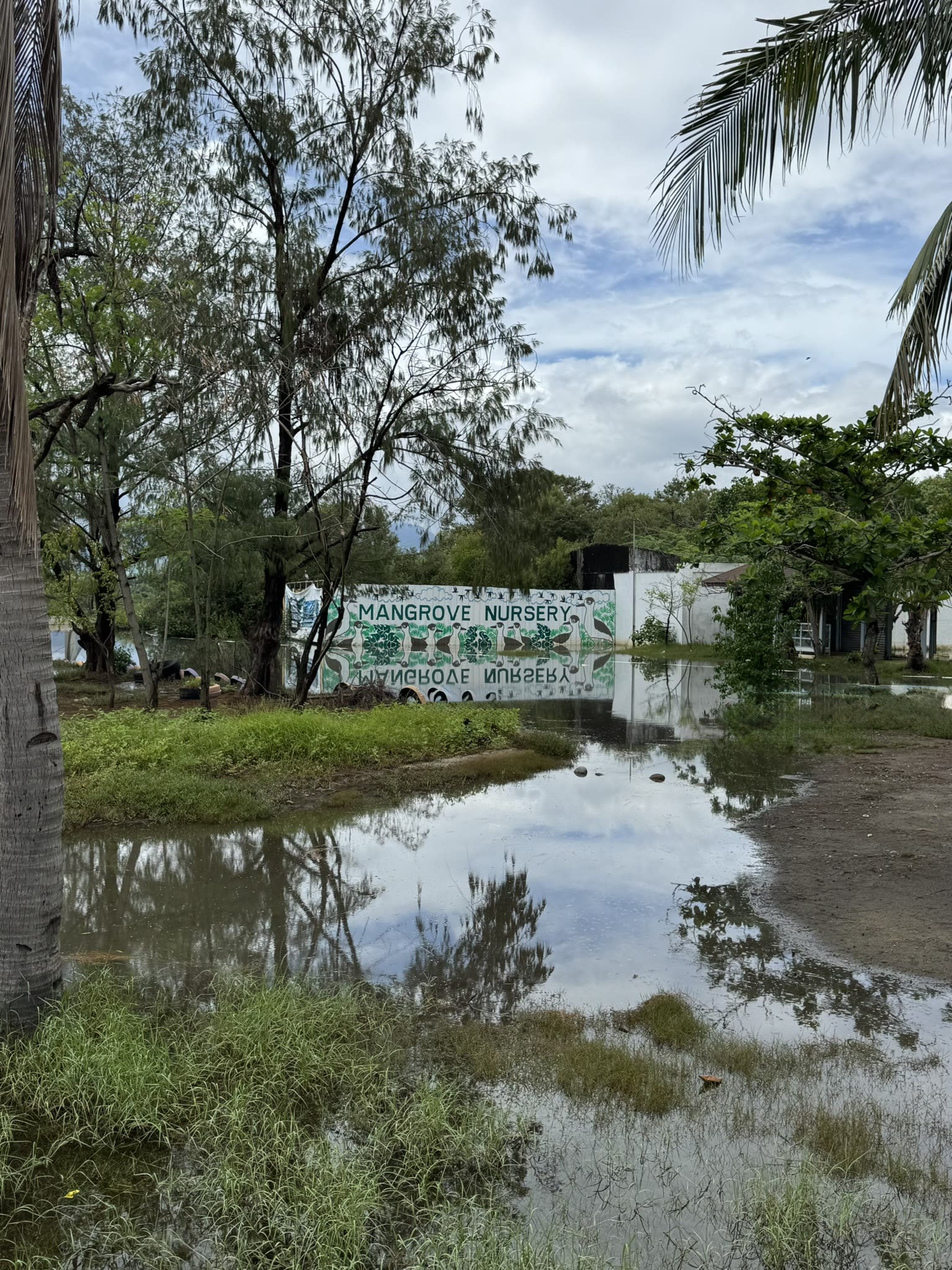
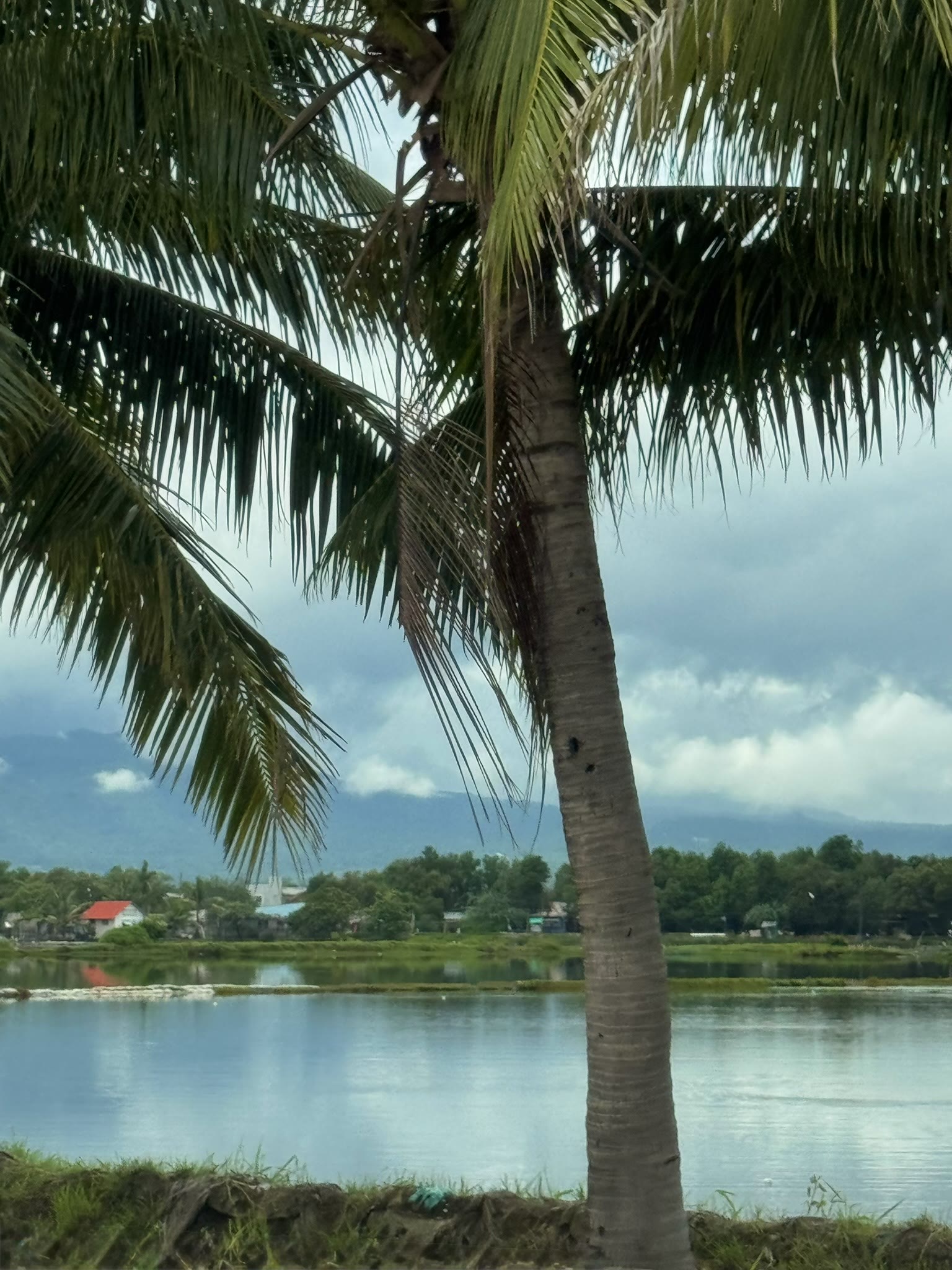
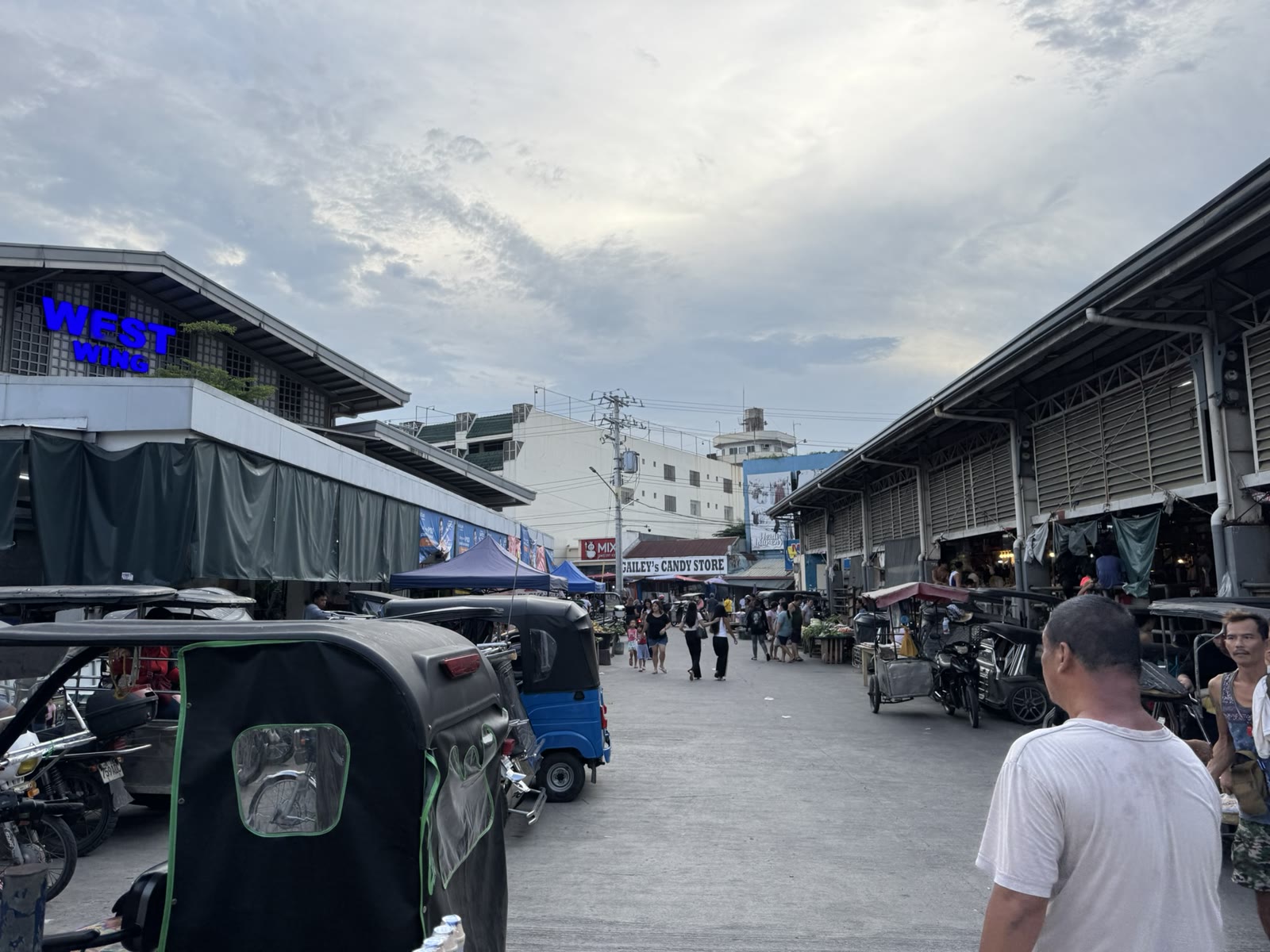
The February 2026 itinerary ranged well past the four design sites. From Prof. Ray Senes’s trip photo albums:
The trip was only half the work. Back in Pomona, the teams developed their designs in the LA 4621L studio and presented the finished boards at the final review on May 8, 2026. Stills below are from the studio presentation footage.
The highlight cut — about 30 seconds edited from the trip’s own footage — plus the full studio reel for anyone who wants the whole trip.
More from the trip: the Philippines Studio Reel 2026 (full video, 19:43, Google Drive) →
Gifts to Eat The Elephant support fellows’ research, scholarships, and the next stage of the Lubao partnership.
Donate Apply to L.E.A.D.