Issues · Lubao, Pampanga, Philippines
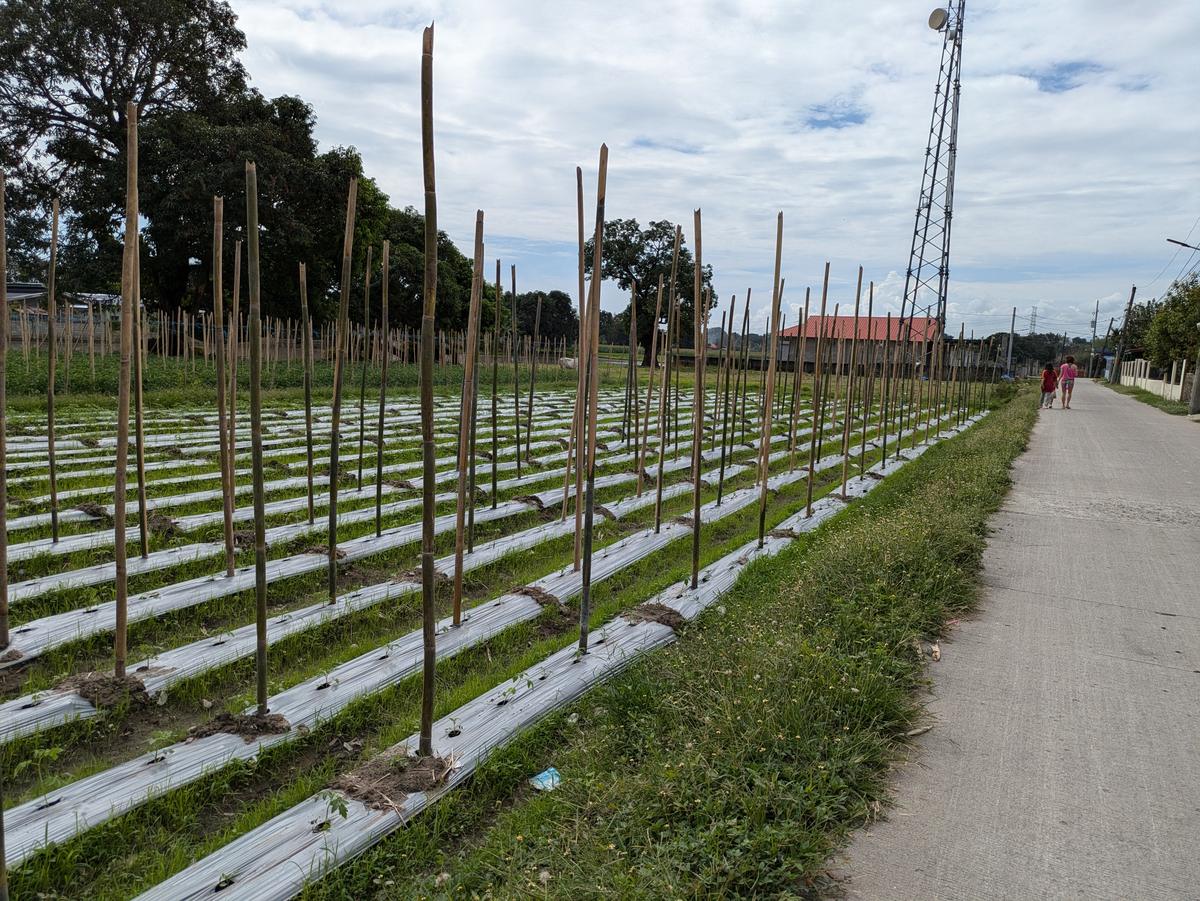
Lubao is one of only three coastal towns in Pampanga. It sits on the Pampanga River delta, where the river meets Manila Bay, and much of the town is low farmland and fishponds. When the southwest monsoon — the habagat — brings weeks of rain, the water arrives three ways at once: rain from the sky, rivers overflowing from upstream, and high tide pushing in from the bay. Flooding here is not a freak event. It is a season.
| Hardest hit | 34 of Lubao's 44 barangays flooded — more than any other town in Pampanga — with water 2 to 3 feet deep in some areas (Pampanga disaster officials, August 2026) |
|---|---|
| Province-wide | More than 1 million people affected across Pampanga; the province was placed under a state of calamity |
| Evacuations in Lubao | The Lubao Evacuation Center sheltered 139 families (467 people); the evacuation center in Brgy. Sta. Catalina held 44 families (178 people), including 5 families whose homes were destroyed |
| Damage | Agriculture and fisheries damage across the province topped ₱1.2 billion; in Lubao, raging floodwater was linked to the Sta. Rita Dam overflowing, and repair of a damaged river embankment was ordered in September 2026 |
| After the water | The national social welfare department paid ₱5,400 in emergency cash to each of thousands of flood-hit farmers and fisherfolk across Lubao and neighboring towns (October 2026) |
For a farming family, a flood is not only wet floors. It is a rice crop under water, fishponds washed out, days of work lost, and school closed. Cleanup ran across the region for weeks after the 2026 water went down, and families rebuilt with the same tools they farm with.
When families evacuate, the first questions are where to sleep and what to eat. The Philippine government's family food pack — rice, canned meats and fish, coffee, and choco drinks, packed to feed a family of five for two to three days — costs ₱797.80 delivered. A hot meal cooked in a community kitchen is costed by the government at ₱25 per person. Those two numbers are the backbone of flood relief, and of our feeding work in Lubao.
Because flooding returns every year, the design work in Lubao treats water as a fact of the site. Cal Poly Pomona students designed a flood-responsive community hub for Santo Tomas Community Park and plaza designs that drain through bioswales and permeable ground. A L.E.A.D. Fellow engineered a bioretention cell — a planted rain garden that slows and cleans stormwater. These are student designs, drawn with the community and not yet built; construction fundraising is the next phase. See them on The Lubao Project page.
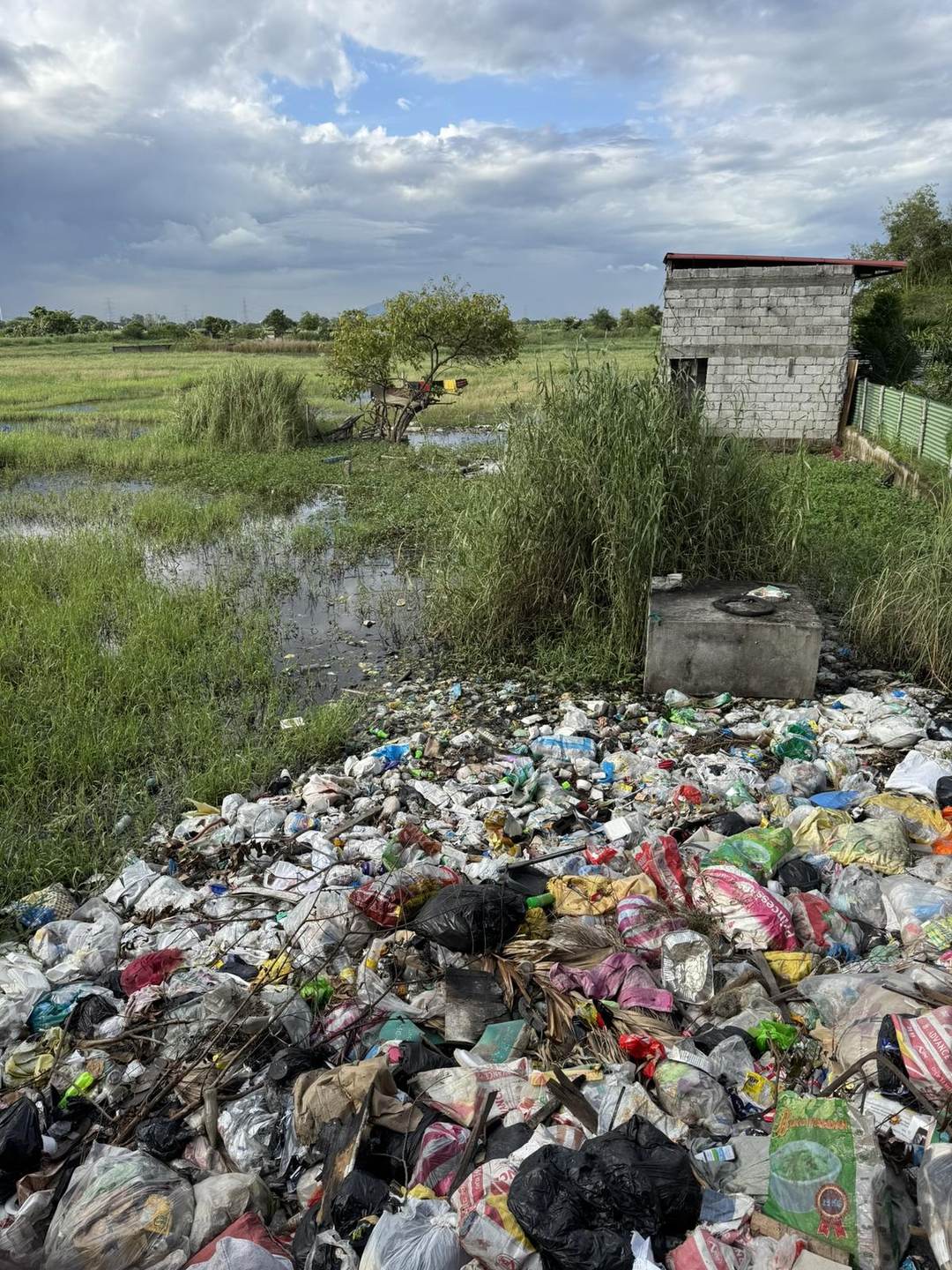
Lubao sits on the Pampanga River delta fronting Manila Bay. Monsoon rain, overflowing rivers, and high tide act together on low-lying farmland and fishponds, so flooding returns most rainy seasons.
In August–September 2026, 34 of Lubao's 44 barangays flooded, more than any other municipality in Pampanga, with water 2 to 3 feet deep in some areas. Lubao evacuation centers sheltered 183 families in total.
The DSWD family food pack costs 797.80 pesos and feeds a family of five for two to three days. A community-kitchen hot meal is costed at 25 pesos per person.
Gifts to Eat The Elephant fund the ground work on these pages — meals, medicine, school projects, and flood-season help for families in Lubao, Pampanga.
Donate The Lubao ProjectCommunity work in Lubao · Flooding · Food & feeding · Health · Education · What a dollar does