Student Project
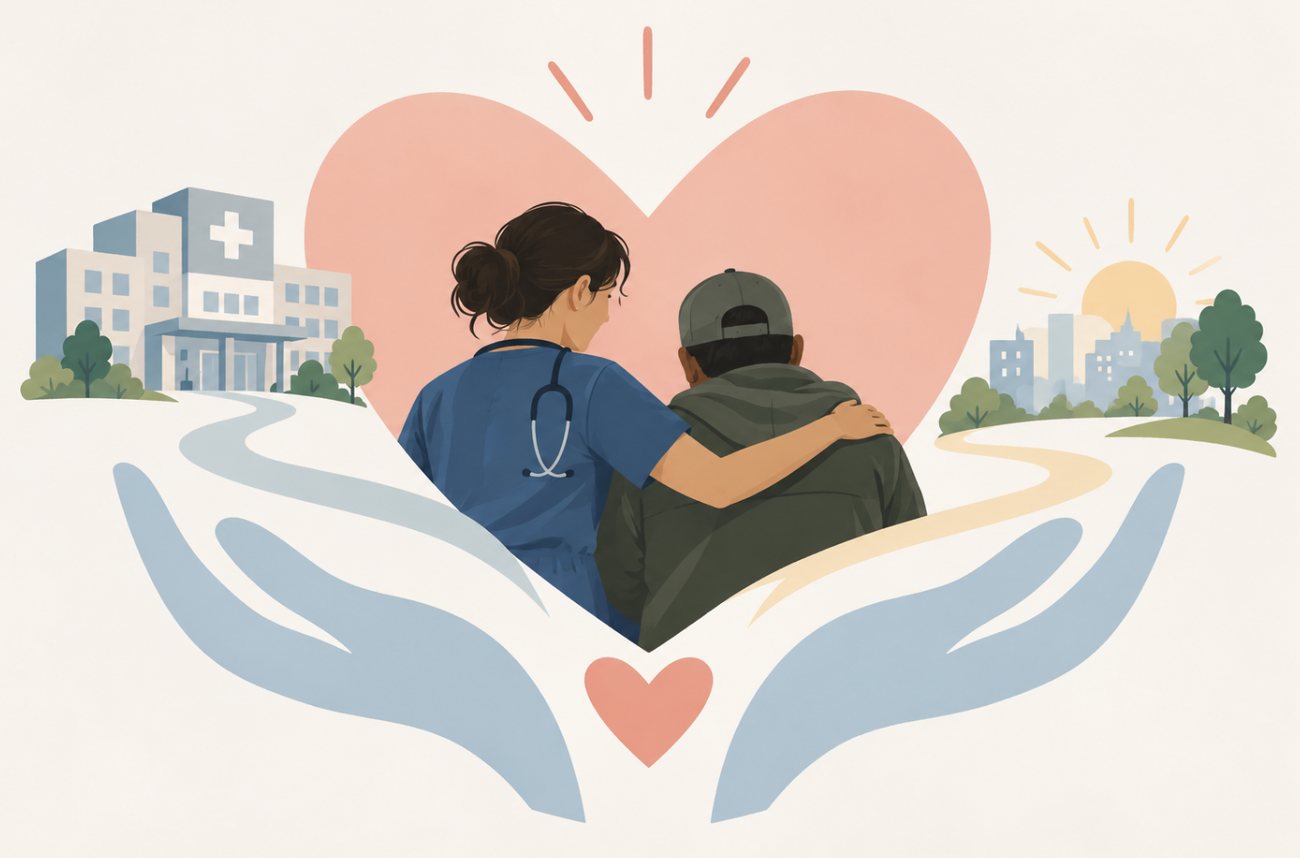
Camellia started as a volunteer at UCSD Health during her undergraduate years, where she studied biochemistry at San Diego State University. During her shifts in the surgical trauma department, she would attend to patients' basic needs — bringing them water and snacks, warm blankets, and communicating their discomfort to their nurses.
Every week there was typically a new round of patients — except for one particular man. He was a double amputee, homeless, and only spoke Spanish. Because he did not have any family or friends visiting him, he spent much of his time wheeled by the nurses' station, where Camellia and the other staff got to know him.
As time passed, Camellia learned his story and why he was still there. Though he was wheelchair-bound, he seemed medically stable. She found that given his injuries and lack of housing, he could not be discharged until a facility could be found that could care for him. Putting him back on the street was not a viable option.
It took over a month for the patient to find housing — and he was one of the lucky few. Camellia discovered a large community of unhoused and low-income patients admitted with severe injuries or infections. When discharged, they often had little more than a source of transportation and an extra pair of clothes. This got Camellia thinking…
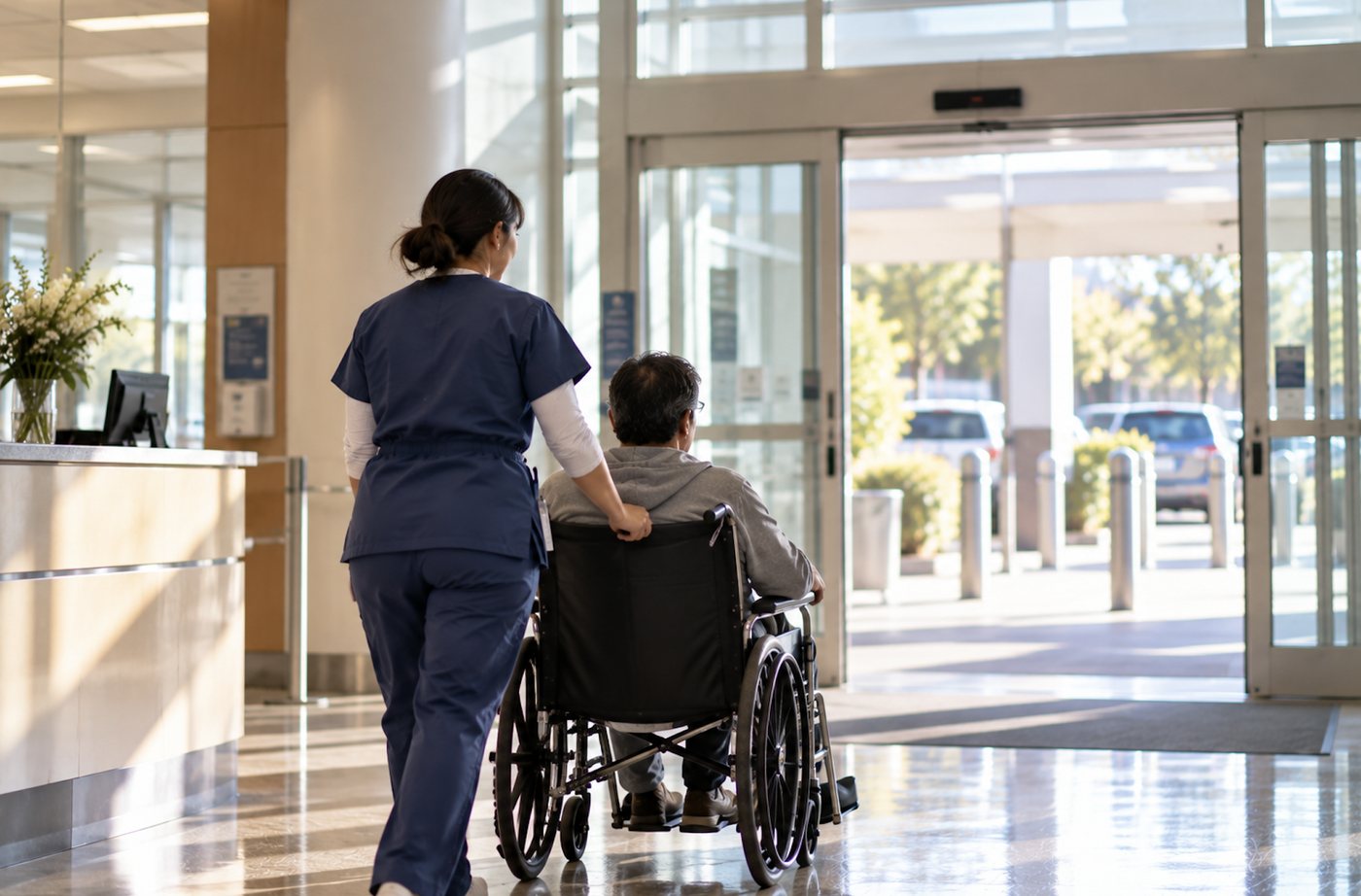
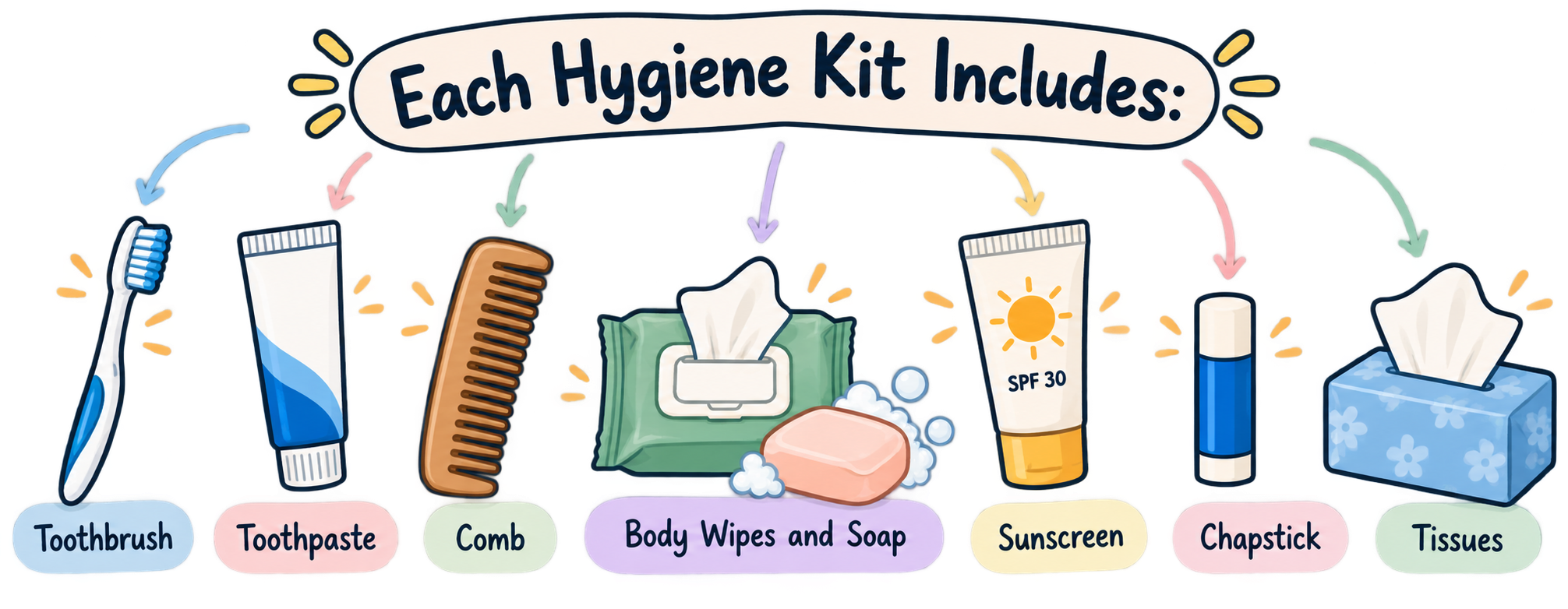
Hospitalization creates a unique point of contact for individuals who may otherwise have limited access to essential resources. Despite receiving medical clearance to leave, a full recovery of health requires good hygiene, wound care, and preventative regimens. Items such as toothbrushes, soap, deodorant, wipes, and SPF can help unhoused patients better care for themselves after leaving the hospital. Rather than requiring patients to locate and find transport to existing community resources, providing these supplies before they leave makes support both immediate and accessible.
"A hygiene kit cannot solve the complex challenges associated with homelessness. Rather, the Pack on Track Project recognizes that a hospital encounter provides a valuable opportunity to meet an unmet need."
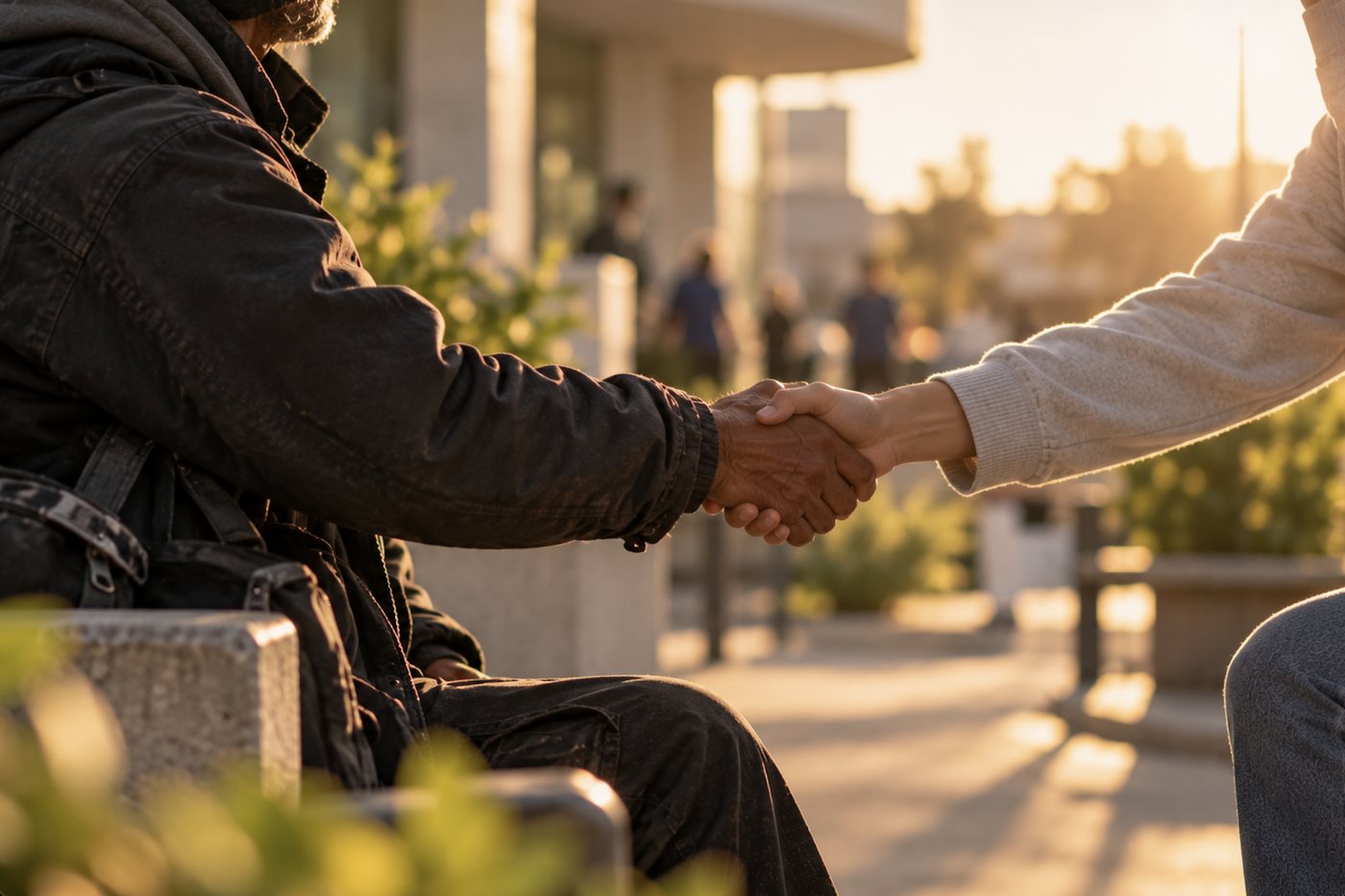
Hygiene kits are vital for helping vulnerable individuals transition back into the community with supplies to sustain their health. In connection with UCSD Medical Center and local homeless resource centers, Pack on Track seeks to build a larger support network for unhoused patients. Students and volunteers can offer the manpower to create and donate the kits that can be distributed at medical sites like UCSD. By bringing together multiple community networks, Pack on Track recognizes that being admitted to the hospital is a critical time to give patients direct access to items that keep them healthy — and get them back on their feet.
Pack on Track is raising $480 to build its first run of 48 hygiene kits for unhoused patients being discharged from the hospital — a clean $10 per kit. The true all-in cost is a little under that: $251.72 of supplies from Camellia's list, shipping and tax, packing materials and delivery to the distribution site, a small allowance for damaged or lost items, and a 10% cushion for price changes. It also includes a 10% program fee to Eat The Elephant, which covers the real costs of running a student project — insurance, government filings, website and hosting, and the staff time that handles the money and the paperwork. Rounding to $10 a kit means every kit is fully funded with room to spare, nothing comes out of a student's pocket, and anything past the true cost starts the next batch of kits.
Every kit holds about $5 of supplies ($4.89, from Camellia's list), packed in a clear pouch a patient can carry. The amounts below count complete kits, fully funded — supplies, shipping, tax, packing, delivery, and program costs included:
1 complete kit
2 complete kits
5 complete kits
10 complete kits
Every $10 = another complete kit
Donations are made to Eat The Elephant, a 501(c)(3) nonprofit, and are tax-deductible. Eat The Elephant purchases the kit supplies from Camellia's list directly, so every gift is documented end to end. Anything raised past the goal funds the next batch of kits.
Scan to open this page — share it on flyers and social posts.
Eat The Elephant is a registered cause on Benevity, the workplace-giving platform many large employers — Google, Apple, Microsoft, Nike, and hundreds more — use for employee donations. If your employer is on Benevity, you can give to Pack on Track through your workplace giving portal, and many employers match employee gifts: commonly dollar for dollar, and some match 2 to 1. That turns one $10 kit into two or three, at no extra cost to you.
To give or request a match, log in to your company's giving portal and search for “Eat The Elephant” (our EIN is 33-4700167). Gave on this page already? Most portals let you submit your donation receipt afterward to request the match — and some employers also turn volunteer hours into cash grants.
Pack on Track runs on student and volunteer energy — assembling kits, donating supplies, and connecting hospital and community partners. To volunteer, donate kit supplies, or partner with the project, reach out:
info@eattheelephant.org Support our students